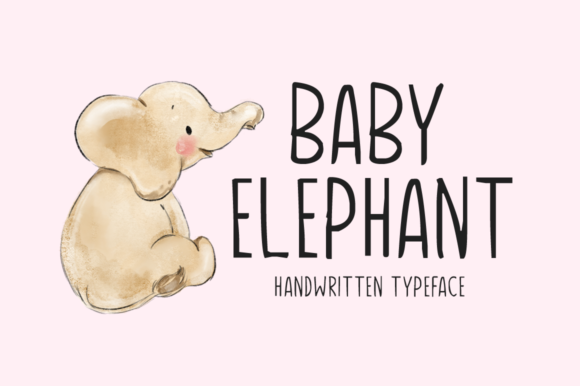
Baby Elephant: A Delicate Display Font for Modern Design
Typography is often the silent ambassador of a brand or project. It speaks before a single word is read, setting the tone, mood, and expectation for the viewer. In a digital landscape saturated with bold, geometric sans-serifs and heavy industrial slab fonts, there is a distinct advantage to choosing something softer. Baby Elephant enters this space not as a shout, but as a gentle whisper—a fresh, dainty display font that brings an immediate sense of elegance, playfulness, and refined charm to any visual composition.
This typeface is more than just a collection of characters; it is a design tool crafted for creators who understand the power of subtlety. Whether you are a graphic designer building a brand identity, a blogger seeking the perfect header aesthetic, or a small business owner designing packaging, Baby Elephant offers a versatile solution. Its unique character lies in its ability to balance readability with decorative flair, making it suitable for a wide array of applications without overwhelming the content it supports.
Understanding the Aesthetic Appeal
What makes Baby Elephant stand out is its specific typographic personality. The term "dainty" in typography does not mean fragile or illegible; rather, it refers to a light stroke weight, rounded terminals, and a whimsical yet structured form. This font captures the essence of innocence and sophistication simultaneously. It avoids the harshness of traditional serif fonts while maintaining more character than standard sans-serifs.
For designers, this balance is crucial. When using a display font, the goal is to create interest without sacrificing clarity. Baby Elephant achieves this by keeping its letterforms clean and open. The curves are smooth, and the spacing is generally generous, which prevents text from feeling cramped. This makes it exceptionally user-friendly for audiences who might find overly stylized scripts difficult to parse quickly. It invites the eye in, encouraging reading rather than repelling it.
The font’s versatility stems from its neutral-yet-distinctive nature. It does not scream for attention like a novelty comic font, nor does it disappear like a basic Arial. Instead, it occupies a sweet spot where it enhances the visual hierarchy without dominating the layout. This makes it an ideal choice for projects that require a touch of personality but still need to communicate information clearly.
Creative Applications Across Industries
The utility of Baby Elephant extends far beyond simple text replacement. Its design language allows it to adapt seamlessly into various creative domains. Below are several practical ways this font can elevate your projects.
Stationery and Branding Materials
One of the most effective uses for Baby Elephant is in stationery design. Because of its delicate structure, it pairs beautifully with ample white space and minimalist layouts. Consider using it for:
- Wedding Invitations: The font’s romantic and soft connotations make it perfect for wedding suites, especially when paired with floral illustrations or watercolor backgrounds.
- Business Cards: Use it for the name or title on a card to add a personal, approachable touch to a professional document.
- Letterheads and Notebooks: For educators, coaches, or writers, using Baby Elephant for headers adds a layer of warmth to everyday correspondence.
Packaging and Product Labels
In the world of physical products, shelf appeal is everything. Baby Elephant works exceptionally well for brands that want to convey quality, care, and attention to detail. It is particularly suited for:
- Artisanal Goods: Think handmade soaps, organic skincare, or boutique chocolates. The font suggests that the product inside is crafted with love and precision.
- Baby and Child Products: Naturally, the name and style resonate with nursery themes, baby shower invitations, and children’s book covers. It feels safe, friendly, and inviting.
- Coffee Shops and Bakeries: For menus or cup sleeves, it provides a cozy, artisanal vibe that contrasts nicely with modern, industrial café aesthetics.
Digital Media and Web Design
While display fonts are traditionally reserved for print, Baby Elephant can be effectively utilized in digital spaces if applied correctly. On websites, it serves best as a header or accent font rather than body text. Using it for website headers, blog post titles, or image slider overlays can break up the monotony of standard web typography.
For social media marketers, this font is a goldmine for creating engaging graphics. It performs well on Instagram stories, Pinterest pins, and Facebook flyers. Its legibility at smaller sizes ensures that quotes, announcements, and event details remain readable even on mobile screens.
Merchandise and Apparel
T-shirt printing and merchandise design often struggle with fonts that lose detail when scaled down or printed on fabric. Baby Elephant’s clean lines hold up well in screen printing and embroidery. It is a popular choice for:
- Lifestyle Brands: Creating apparel that feels curated and thoughtful rather than generic.
- Event Merchandise: Concert posters, music covers, or festival badges benefit from the font’s artistic flair.
- Home Decor: Printed on canvas or wood, it adds a charming focal point to nursery art or kitchen decor.
Best Practices for Implementation
To get the most out of Baby Elephant, it is important to treat it with respect. Like all display fonts, it has limitations. Here are some guidelines to ensure your designs remain effective and professional.
Pairing with Complementary Typefaces
Baby Elephant shines when contrasted with simpler typefaces. Since it carries significant visual weight in terms of style, pair it with a clean, neutral sans-serif or a classic serif for body text. This creates a hierarchy that guides the reader’s eye. For example, use Baby Elephant for the headline and a lightweight Helvetica or Garamond for the descriptive text. This combination ensures that the design remains balanced and easy to digest.
Color and Background Considerations
Due to its thin strokes, Baby Elephant may lose definition against busy or dark backgrounds. To maintain clarity, use it on light or solid-colored backgrounds. Soft pastels, creams, and whites enhance its dainty qualities, while high-contrast black-on-white offers a crisp, modern look. Avoid placing it over complex photographic textures unless the background is heavily blurred or desaturated.
Kerning and Spacing
Display fonts often require manual adjustment of kerning (the space between individual letters) to look their best. Baby Elephant is designed with good default spacing, but tweaking the tracking slightly wider can enhance its airy, elegant feel. Conversely, tightening it too much can cause the delicate forms to merge, reducing legibility. Always preview your text at the actual size it will be displayed to check for readability.
Why Choose Baby Elephant?
In a market where every creator is competing for attention, standing out doesn’t always mean being louder. Sometimes, it means being clearer, kinder, and more aesthetically pleasing. Baby Elephant offers a refreshingly different alternative to the dominant trends in contemporary typography. It appeals to an audience that values craftsmanship, nostalgia, and gentle beauty.
For freelancers and agencies, offering clients a font like Baby Elephant demonstrates a nuanced understanding of design psychology. It shows that you consider the emotional response of the viewer, not just the informational content. For hobbyists and bloggers, it provides an accessible way to elevate their visual presence without needing advanced design skills.
Ultimately, Baby Elephant is about adding a signature touch to your work. It is a tool that encourages creativity through constraint—forcing you to focus on layout, color, and context because the font itself is already doing a lot of the heavy lifting. By integrating this fresh and dainty display font into your next project, whether it’s a logo, a flyer, or a website header, you are choosing to communicate with grace and intention.