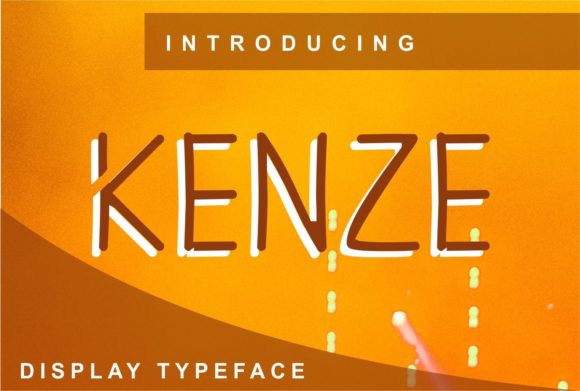
Kenze: The Clean Display Font for Modern Design
In a digital landscape saturated with clutter, clarity is the ultimate luxury. When you need to make an immediate impact—whether on a physical poster, a digital flyer, or a high-stakes presentation—the right typography does more than just convey information; it sets the tone. This is where Kenze steps in. As a clean and adaptable display font, Kenze offers a sophisticated visual anchor that works seamlessly across various mediums. It is designed to be read quickly while maintaining an air of elegance and professionalism.
Choosing the right typeface is often one of the most critical decisions in design. For many, it is about aesthetics alone. For others, it is about functionality, readability, and brand alignment. Kenze bridges this gap by offering a versatile structure that appeals to both the eye and the mind. Whether you are a seasoned graphic designer looking for a reliable partner in your next project or a small business owner trying to create a cohesive brand identity, understanding how Kenze fits into your workflow is essential.
What Makes Kenze Distinctive?
At its core, Kenze is a display font, meaning it is optimized for large sizes rather than body text. Its name suggests precision and sharpness, characteristics that are evident in its geometric yet approachable forms. The font’s clean lines and balanced proportions allow it to stand out without shouting. It avoids the overly decorative traps that can date a design quickly, opting instead for a timeless quality that remains relevant as trends shift.
The adaptability of Kenze is its strongest selling point. While many display fonts are niche—meant only for horror movie posters or retro-style advertisements—Kenze is neutral enough to fit into modern minimalism, corporate branding, and creative editorial layouts alike. Its versatility means that designers do not have to compromise on style for usability. You can use it for headlines that demand attention and subheadings that require clarity, creating a harmonious hierarchy within your layout.
Why Different Audiences Care About Typography
Not everyone approaches font selection from the same angle. The value of a typeface like Kenze shifts depending on who is using it and why. Understanding these perspectives helps in evaluating whether Kenze is the right tool for your specific needs.
- For Beginners: New designers often struggle with pairing fonts. A safe, clean choice like Kenze reduces the cognitive load. Because it is inherently legible and stylish, it minimizes the risk of poor aesthetic choices. Beginners can focus on layout and composition without worrying that their headline will clash with the rest of the design.
- For Professionals: Experienced creatives look for efficiency and reliability. They need fonts that render consistently across different software and devices. Kenze’s clean structure ensures that it prints sharply and displays well on screens, saving time on troubleshooting technical issues.
- For Entrepreneurs: Small business owners are often their own marketers. They need materials that look professional to build trust with customers. Using a polished font like Kenze on flyers, menus, or social media graphics signals competence and attention to detail, even if the budget for hiring a designer is limited.
Practical Applications Across Industries
The true test of any font is how it performs in real-world scenarios. Kenze shines in environments where visual hierarchy and quick comprehension are paramount. Here is how different groups might utilize this typeface in their daily work.
Marketing and Advertising
In marketing, the first few seconds determine engagement. A poster or flyer needs to communicate its message instantly. Kenze’s bold presence makes it ideal for event announcements, product launches, and promotional banners. Its clean aesthetic prevents the design from feeling chaotic, allowing the call-to-action to remain the focal point. Marketers can pair Kenze with softer serif fonts for body text to create a striking contrast that guides the reader’s eye naturally through the content.
Education and Publishing
Educators and publishers often deal with dense information. While Kenze is not meant for long paragraphs, it excels at breaking up text. In textbooks, whitepapers, or online course materials, Kenze can be used for chapter titles, pull quotes, and key takeaways. This helps learners scan the material effectively, improving retention. For bloggers, using Kenze for featured article headers can enhance the site’s visual appeal, making it more inviting for readers scrolling through a feed.
Creative Freelancing
Freelancers in fields such as interior design, fashion, or architecture rely heavily on visual portfolios. Their pitch decks and proposal documents must reflect their personal brand. Kenze offers a neutral yet premium feel that allows the work itself to take center stage. By using Kenze for client names, project titles, and service descriptions, freelancers can maintain a consistent, high-end look across all their deliverables.
Evaluating Kenze for Your Project
Before integrating Kenze into your design toolkit, consider what matters most to your current project. Is it speed? Quality? Flexibility?
- Ease of Use: If you are working under tight deadlines, Kenze’s straightforward design reduces decision fatigue. It pairs easily with a wide range of sans-serif and serif fonts, simplifying the typographic system you need to manage.
- Quality and Print Performance: For print-heavy users, the crispness of Kenze’s vector shapes ensures that edges remain sharp at any size. This is crucial for large-format printing where pixelation or blurriness can ruin the final output.
- Long-term Usefulness: Trends fade, but clean design endures. Investing in a font like Kenze provides long-term utility. It is unlikely to look outdated in five years, making it a sustainable choice for brands that want to maintain consistency over time.
However, it is important to recognize the limitations. Kenze is a display font, so it should not be used for body copy. Attempting to read small amounts of text set in Kenze can cause eye strain due to its distinct character shapes. Always reserve it for headlines, logos, and short phrases where impact is prioritized over volume.
Maximizing Creative Potential
To get the most out of Kenze, experiment with scale and spacing. Display fonts thrive when given room to breathe. Do not crowd your text; let the negative space around Kenze enhance its clean lines. Try varying the weight if available, or play with tracking (letter-spacing) to add a sense of luxury or urgency.
Consider the context of your audience. For a tech startup, Kenze can convey innovation and precision. For a boutique hotel, it might suggest comfort and modern elegance. The font itself is neutral, but its application defines its personality. By aligning Kenze with your brand’s voice, you create a cohesive experience that resonates with your viewers.
Conclusion
Kenze represents a smart choice for anyone seeking a blend of style and substance. It is not just another font; it is a tool for clear communication. Whether you are designing a single flyer or building a comprehensive brand identity, Kenze provides the stability and elegance needed to elevate your work. Explore its possibilities, respect its strengths as a display typeface, and watch your designs gain the clarity they deserve.