Why The One is the Definitive Choice for Relaxed, Informal Design Projects
In the vast landscape of typography, finding a typeface that strikes the perfect balance between readability and personality can be a daunting task. Designers often find themselves trapped in a binary choice: stark, serious sans-serifs or overly ornate, difficult-to-read scripts. However, there is a growing need for a middle ground—a font that commands attention without shouting, offering warmth and approachability while maintaining professional integrity. This is where The One emerges as a compelling solution. It is not merely another display font; it is a strategic tool designed for creators who want to inject a casual vibe into their work without sacrificing clarity.
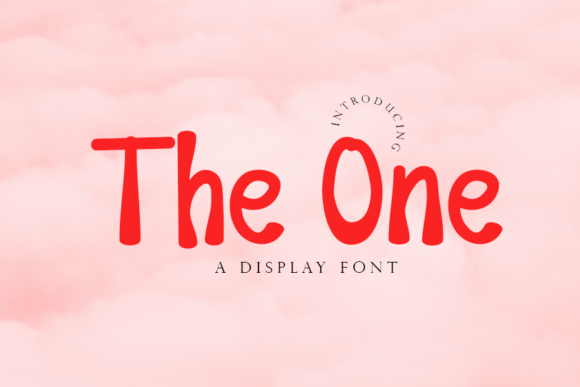
The premise behind The One is straightforward yet effective. It is a simple, quirky, and highly adaptable display font. Its informal style makes it an ideal candidate for projects that require a relaxed touch, whether that involves branding, editorial layouts, or digital interfaces. But what exactly distinguishes it from other options on the market? To understand its value, we must look at its structural characteristics, its versatility across different media, and how it compares to broader categories of typefaces used in modern design.
Understanding the Anatomy of Quirkiness
When designers speak of a "quirky" font, they are usually referring to subtle irregularities in stroke weight, letter spacing, or terminal shapes. These micro-details create a sense of hand-crafted authenticity that feels less corporate and more human. The One leverages this concept by adopting an informal style that avoids the rigidity of traditional geometric sans-serifs. Instead, it offers a casual vibe that invites the reader in.
This distinction is crucial for brands aiming to connect with audiences on a personal level. In an era where consumers are increasingly skeptical of polished, sterile marketing, fonts like The One provide a visual cue of accessibility. The letterforms are designed to be legible even at smaller sizes, which is a common pitfall for many decorative display fonts. By prioritizing readability alongside aesthetic charm, The One ensures that the message is never lost in the medium.
- Informal Structure: The font avoids strict symmetry, giving each character a unique, slightly playful presence.
- Adaptability: Despite its distinct personality, it remains neutral enough to pair well with a variety of complementary typefaces.
- Relaxed Tone: The overall weight and spacing create a breathing room that reduces visual fatigue for the viewer.
Evaluating Versatility Across Media
One of the most significant factors in choosing a typeface is its performance across different platforms. A font might look stunning on a large billboard but fail miserably on a mobile notification. The One has been engineered to be adaptable, making it suitable for a wide range of applications. From web headers and social media graphics to print packaging and merchandise, it maintains its integrity regardless of the output method.
For digital designers, this adaptability translates to better user experience (UX). When used for headings or call-to-action buttons, The One can guide the eye effectively without feeling aggressive. Its casual nature softens the interface, making complex information feel more manageable. This is particularly useful in industries such as lifestyle, food and beverage, education, and creative services, where the goal is to engage rather than intimidate.
However, adaptability does not mean universality. There are specific contexts where The One may not be the optimal choice. For instance, in highly formal legal documents, technical manuals, or financial reports, the informal style might undermine the perceived authority of the content. In these scenarios, a more traditional serif or a neutral sans-serif would be more appropriate. Understanding these boundaries is key to making an informed decision about when to deploy The One.
Comparing Approaches: Display vs. Body Text
A common mistake in typography is using a display font for body text. While The One is technically a display font, its simplicity allows it to stretch beyond typical constraints. Yet, it is essential to compare it with standard body text fonts to understand its limitations. Standard body fonts prioritize efficiency and speed of reading, often lacking character. The One, conversely, prioritizes personality and impact.
When evaluating alternatives, consider the hierarchy of information. If you are designing a layout that requires multiple levels of text, The One serves best as a headline or accent font. Pairing it with a clean, neutral sans-serif for body copy creates a balanced contrast. This combination allows the "quirk" of The One to shine without overwhelming the reader. In contrast, using two similar display fonts can result in visual clutter and confusion.
Some designers might opt for script fonts to achieve a similar informal feel. However, scripts often suffer from poor legibility, especially at lower resolutions or smaller sizes. The One offers a safer alternative that mimics the organic flow of handwriting without the associated readability risks. This makes it a more practical choice for long-form headlines or multi-word titles where quick comprehension is necessary.
Decision Factors: When to Choose The One
Selecting the right typeface is ultimately about aligning visual language with brand intent. Here are several scenarios where The One proves to be the superior option:
- Brand Refreshes: If a company wants to appear more approachable and modern without completely reinventing its visual identity, switching to The One for key messaging can instantly shift the tone.
- Creative Campaigns: For advertisements, posters, or event banners that need to stand out in a crowded visual field, the quirky nature of The One grabs attention effectively.
- User Interfaces for Lifestyle Apps: Apps focused on wellness, hobbies, or community building benefit from the relaxed vibe that reduces cognitive load and fosters a sense of comfort.
Conversely, readers should reconsider their choice if the project demands high-density information, strict regulatory compliance, or a minimalist, ultra-modern aesthetic. In those cases, the "relaxed touch" of The One might introduce unwanted noise into the design system.
Practical Implementation Tips
To get the most out of The One, consider how it interacts with white space and color. Because the font has a distinct personality, it benefits from generous padding. Cluttered layouts can diminish the effectiveness of its quirks, making the text feel chaotic rather than charming. Use ample margins and line heights to let the characters breathe.
Additionally, experimentation with case styles can yield interesting results. While standard sentence case works well for general use, all-caps settings can add emphasis to short phrases, leveraging the font’s bold display qualities. However, avoid using all-caps for long paragraphs, as this can hinder readability. The goal is to use The One strategically, allowing its unique traits to highlight specific elements rather than dominate the entire composition.
Conclusion: A Strategic Tool for Modern Design
Typography is more than just selecting letters; it is about communicating tone and emotion before a single word is read. The One stands out in the crowded market of display fonts because it successfully merges simplicity with character. It is not trying to be everything to everyone, but rather excels in specific contexts where a relaxed, informal touch is required.
By understanding its strengths—adaptability, readability, and approachable quirkiness—designers can make smarter decisions about when to incorporate it into their workflows. Whether you are building a brand identity, designing a website, or creating marketing materials, The One offers a reliable, stylish option that resonates with contemporary audiences. It reminds us that professionalism does not have to be stiff, and that a little bit of casual flair can go a long way in connecting with people.