Anomi: A Strategic Asset for Clean, Adaptable Typography
In a digital landscape saturated with visual noise, the choice of typography is rarely just an aesthetic decision; it is a functional one. For entrepreneurs, marketers, and creators, every element on a screen contributes to how a message is received, processed, and remembered. Among the growing array of display fonts available today, Anomi stands out not merely for its clean lines, but for its remarkable adaptability. It is a typeface designed to bridge the gap between modern minimalism and human warmth, making it a versatile tool for those who prioritize clarity without sacrificing character.
This article explores why Anomi deserves a place in your design toolkit, focusing on its practical applications across branding, user experience, and content strategy. By understanding the strategic value of this font, you can make more informed decisions about how your visual identity communicates with your audience.
The Anatomy of Adaptability
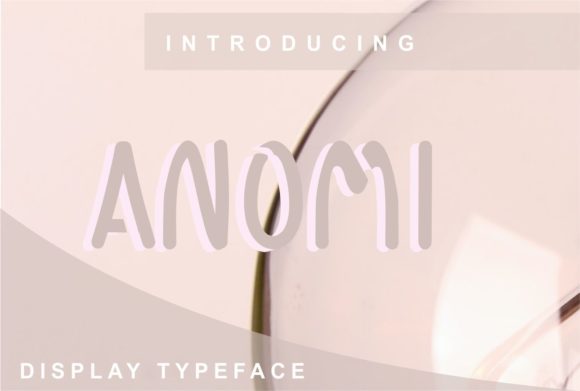
Anomi is classified as a display font, yet it defies the traditional limitations often associated with that category. Many display fonts are too stylized for body text or too rigid for casual communication. Anomi, however, offers a balanced weight and spacing that allows it to function effectively in a variety of contexts. Its clean structure ensures readability, while its subtle geometric influences provide a contemporary edge that feels professional yet approachable.
For decision-makers and small business owners, this adaptability translates directly into efficiency. When a single typeface can handle headlines, subheaders, and even select body copy elements, you reduce the cognitive load on your design team and maintain consistency across platforms. This consistency is crucial for building trust. Inconsistent typography signals disorganization, whereas a cohesive typographic hierarchy suggests reliability and attention to detail.
Consider the scenario of a startup launching a new product. The marketing team needs materials ranging from social media graphics to email newsletters and landing pages. Using a font like Anomi allows these disparate elements to share a common visual DNA. The result is a unified brand voice that resonates across channels, reinforcing recognition and recall.
Enhancing Communication Through Clarity
Effective communication relies on the seamless transmission of information from sender to receiver. Any friction in this process—whether caused by poor layout, confusing imagery, or difficult-to-read text—can lead to lost engagement. Anomi supports clear communication by prioritizing legibility. Its open counters and distinct letterforms ensure that characters are easily distinguishable, even at smaller sizes or on lower-resolution screens.
For educators, bloggers, and publishers, this clarity is paramount. When readers encounter a font that is easy on the eyes, they are more likely to stay engaged with the content. This reduces bounce rates and increases the time spent interacting with your material. In an era where attention spans are fragmented, removing visual barriers is a strategic advantage.
Moreover, Anomi’s neutral yet distinctive personality makes it suitable for a wide range of tones. It can convey authority when used in bold weights for headlines, or it can feel friendly and inviting in lighter weights for introductory text. This flexibility allows creators to adjust the emotional tone of their messaging without changing the underlying typeface, maintaining brand integrity while adapting to specific campaign goals.
Strategic Use Cases for Anomi
- Brand Identity Systems: Use Anomi as the primary display font for logos, headers, and key messaging points. Its clean lines project modernity and professionalism, which is essential for B2B services, tech startups, and creative agencies.
- Digital Marketing Materials: Incorporate Anomi into email templates, social media banners, and ad creatives. Its adaptability ensures that these assets look polished and consistent, enhancing click-through rates by presenting a trustworthy front.
- Editorial and Content Design: For long-form articles, whitepapers, and reports, use Anomi for section headers and pull quotes. This creates a visual rhythm that guides the reader through the content, breaking up dense text and improving comprehension.
- User Interface (UI) Elements: While primarily a display font, Anomi can be effective for UI labels, buttons, and navigation menus where space is limited but clarity is critical. Its legibility helps users navigate digital products with ease, improving the overall user experience.
Planning for Long-Term Results
Choosing a font is an investment in your brand’s long-term equity. Fonts that are trendy may offer short-term appeal but can quickly date your materials, requiring costly redesigns. Anomi, with its timeless design principles, offers longevity. Its clean aesthetic aligns with current design trends while remaining grounded enough to withstand shifts in fashion. This stability allows businesses to build a lasting visual identity that evolves gracefully over time.
When integrating Anomi into your workflow, consider a phased approach. Start by defining the core messages and values you want to communicate. Then, determine where typography plays the most significant role in conveying those messages. For example, if your goal is to establish thought leadership, using Anomi for headline text in blog posts can reinforce a sense of authority and expertise. If your goal is to foster community, using it in social media graphics can create a sense of inclusivity and approachability.
It is also important to consider the technical aspects of implementation. Ensure that the font files are optimized for web delivery to maintain fast load times. Slow-loading pages can negatively impact SEO and user satisfaction, undermining the benefits of a well-designed typeface. Work with developers to implement Anomi efficiently, using proper font-weight variations and fallback options to ensure consistent rendering across different devices and browsers.
Risks and Considerations
While Anomi is a powerful tool, it is not a universal solution. Like any design element, it must be used intentionally. One common pitfall is overusing a display font in body text. Despite its readability, Anomi is designed to make an impact, and excessive use can lead to visual fatigue. Reserve it for emphasis, headers, and key messaging points, and pair it with a highly readable serif or sans-serif font for longer passages of text.
Another consideration is context. Anomi’s modern, clean aesthetic may not align with brands seeking a vintage, rustic, or highly ornamental style. Before adopting Anomi, evaluate whether its personality matches your brand’s voice and values. A mismatch can create cognitive dissonance for your audience, leading to confusion rather than clarity.
Additionally, be mindful of accessibility. While Anomi is legible, ensure that you maintain sufficient contrast between text and background colors. Poor contrast can render even the clearest font unreadable for users with visual impairments. Adhering to Web Content Accessibility Guidelines (WCAG) is not just a legal requirement in many jurisdictions; it is a moral imperative that expands your reach to a wider audience.
Intentional Integration for Better Outcomes
The true value of Anomi lies in its intentional application. Randomly selecting fonts based on personal preference often leads to disjointed designs that fail to communicate effectively. Instead, adopt a strategic mindset. Ask yourself what each piece of content aims to achieve and how typography can support that goal. Does the headline need to grab attention? Use Anomi in a bold weight. Does the body text need to facilitate reading? Pair Anomi with a complementary typeface that enhances flow.
Collaboration is also key. Designers, marketers, and content creators should work together to define typographic standards. Establishing a style guide that outlines the appropriate uses of Anomi ensures consistency across all touchpoints. This guide should include specifications for font sizes, weights, line heights, and color combinations, providing a clear framework for execution.
By treating typography as a strategic component of your communication plan, you elevate the quality of your output. Anomi serves as a reliable partner in this endeavor, offering the versatility needed to meet diverse challenges. Whether you are launching a new venture, refreshing an existing brand, or simply looking to improve your content’s readability, Anomi provides the structural foundation for success.
Conclusion
In the competitive world of digital communication, details matter. Anomi exemplifies how a well-crafted typeface can enhance both form and function. Its clean, adaptable nature makes it a valuable asset for professionals seeking to communicate clearly, creatively, and consistently. By understanding its strengths and applying it with intention, you can leverage Anomi to support your goals, strengthen your brand, and achieve better results. As you refine your design strategy, keep Anomi in mind as a tool that balances modern aesthetics with practical utility, ensuring that your message is not only seen but understood and remembered.