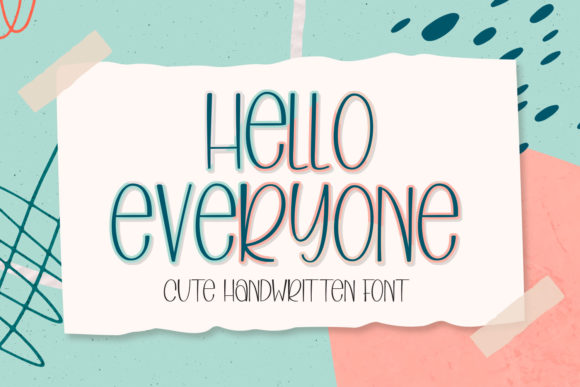
Hello Everyone: A Playful Display Font for Modern Branding
Typography is often the silent ambassador of your brand. Before a potential customer reads a single word of your copy, they feel the tone of your message through the shapes and curves of the letters. In a digital landscape saturated with rigid sans-serifs and overly formal serifs, there is a distinct advantage to choosing a typeface that breathes personality into your design. Enter Hello Everyone, a cute and playful display font that brings warmth and approachability to any project.
This font is not just another decorative addition to your toolkit; it is a strategic design asset defined by smooth curves and an inviting aesthetic. Whether you are a fashion designer crafting a lookbook, a marketer launching a lifestyle brand, or a blogger seeking a unique visual voice, adding Hello Everyone confidently to your projects will likely elevate the results. Let’s explore why this creative font works so well and how you can integrate it effectively into your workflow.
The Visual Personality of Hello Everyone
At first glance, Hello Everyone stands out because it rejects the cold precision of many modern typography trends. Instead, it embraces organic flow. The defining characteristic of this typeface is its use of smooth, rounded curves that mimic the natural motion of handwriting without sacrificing legibility. It sits comfortably in the realm of a display font, meaning it is designed to be read at larger sizes where its stylistic nuances can shine.
The weight distribution is balanced, giving the letters a sense of stability despite their playful appearance. This balance is crucial for professional applications. If a font is too erratic, it becomes difficult to read; if it is too uniform, it feels sterile. Hello Everyone hits that sweet spot. It feels friendly, almost like a warm greeting from a neighbor, which makes it exceptionally effective for brands that want to appear accessible rather than authoritative.
Visually, the font avoids sharp corners and aggressive angles. This softness translates directly to user perception. When audiences encounter this style, they subconsciously associate it with creativity, joy, and inclusivity. It is a creative font that does not demand attention through shouting but rather invites engagement through charm. For designers looking to add a touch of whimsy to logo design or packaging design, this personality provides a strong foundation.
Ideal Applications Across Industries
One of the most common questions designers face is whether a specific font fits their niche. With Hello Everyone, the answer is often yes, provided you understand its strengths. Because of its versatile yet distinct character, it performs beautifully across several key areas:
- Fashion and Lifestyle Branding: In the fashion industry, where aesthetics drive sales, this font adds a youthful and trendy vibe. It works exceptionally well on clothing tags, hangtags, and boutique signage.
- Editorial Design: Magazines and blogs benefit from the editorial flair this font provides. Use it for pull quotes, section headers, or feature titles to break up dense text and add visual interest.
- Social Media Graphics: Platforms like Instagram and Pinterest are highly visual. A post featuring Hello Everyone stands out in a feed dominated by geometric sans-serifs. It captures attention quickly, increasing the likelihood of engagement.
- Packaging Design: For consumer goods, especially those targeting younger demographics or gift markets, this font conveys care and quality. It looks great on cosmetic bottles, candle labels, and artisanal food packaging.
- Web Design: While not ideal for long-form body text, it serves as a powerful hero font on landing pages. Pairing it with a clean, neutral background allows the typography to become the focal point of the user experience.
It is also worth noting that this font bridges the gap between a script font and a handwritten font. It retains the structure of printed letters while offering the fluidity of a brush stroke. This hybrid nature makes it suitable for both digital screens and high-resolution print outputs, ensuring consistency across your brand identity.
Influence on Readability and Brand Perception
Selecting a typeface is never just about aesthetics; it is about communication efficiency. Hello Everyone influences readability by guiding the eye smoothly across the page. The consistent curve radius reduces visual fatigue, allowing viewers to process headlines faster. However, because it is a display font, it should not be used for paragraphs of small text. Doing so would compromise readability and dilute the impact of the letterforms.
From a brand perception standpoint, using this font signals that your business values creativity and human connection. It moves away from the corporate stiffness often associated with standard serif fonts or utilitarian sans serif fonts. Instead, it positions your brand as contemporary and empathetic. This is particularly valuable for entrepreneurs and small business owners who want to compete with larger entities by offering a more personal touch.
Consistency is key to building recognition. When you use Hello Everyone across various design assets—from email newsletters to business cards—you create a cohesive visual language. Over time, customers begin to recognize your brand simply by the shape of the letters, reinforcing trust and loyalty.
Practical Guidance for Implementation
To get the most out of Hello Everyone, you need to approach its implementation with intention. Here are some practical steps to ensure it enhances your projects rather than detracting from them.
- Evaluate Project Fit: Before downloading or purchasing, ask yourself if the tone matches your message. Is your content lighthearted? Is your audience young or trend-conscious? If your project requires serious legal disclaimers or technical manuals, this font may be inappropriate. Save it for creative headers and branding elements.
- Test Font Pairings: A common mistake is letting a display font fight for dominance. To maintain modern typography standards, pair Hello Everyone with a simple, understated typeface. A clean sans-serif or a classic serif works best for body copy. The contrast between the playful header and the neutral text creates a pleasing hierarchy that guides the reader’s eye naturally.
- Review Included Styles: Check the full family of the font. Does it include italics, bold weights, or varying thicknesses? Having multiple styles allows for greater flexibility in web design and layout creation. If the family is limited, you may need to rely on spacing and size adjustments to create emphasis.
- Consider Commercial Licensing: Always verify the licensing terms. If you are using this for client work, merchandise, or large-scale advertising, ensure you have the correct commercial license. Using a commercial font without proper permission can lead to legal issues. Reputable font foundries provide clear guidelines to help you choose the right tier of usage rights.
- Pay Attention to Spacing: Display fonts often require custom kerning and tracking. The smooth curves of Hello Everyone might need slight adjustments when placed next to certain letters to prevent awkward gaps or collisions. Take the time to review your designs at actual size before finalizing.
By treating Hello Everyone as a versatile tool in your design arsenal, you can unlock new levels of creativity. It is more than just a pretty typeface; it is a way to communicate warmth and professionalism simultaneously. Whether you are revamping a blog, designing a new logo, or creating social media content, this font offers a reliable solution for adding character to your work. Embrace its playful nature, respect its limitations, and watch your designs come alive with a fresh, engaging energy.