Inmun Display Font Evaluation
Selecting the right typography is a critical step in graphic design, particularly when working with large-scale formats like posters and flyers. The choice of font influences not only readability but also the emotional resonance and professional quality of the final piece. Among the various options available to designers, Inmun has emerged as a notable candidate for clean, adaptable display work. This evaluation explores the characteristics of Inmun, its practical applications, and the considerations designers should weigh when deciding whether to incorporate it into their projects.
Understanding Inmun: A Clean Display Solution
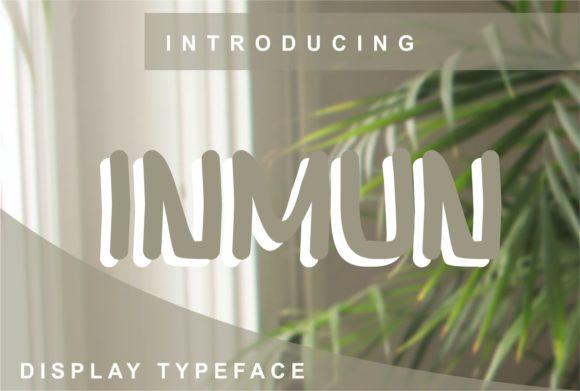
Inmun is categorized as a display font, which means it is designed primarily for use at larger sizes rather than for body text or long-form reading. Its defining characteristic is its cleanliness—a geometric precision that lends itself well to modern, minimalist aesthetics. Unlike serif fonts that rely on decorative strokes, or handwritten fonts that emphasize organic irregularity, Inmun offers a structured, legible appearance that commands attention without visual clutter.
The term "adaptable" in the context of Inmun refers to its versatility across different design contexts. While many display fonts are niche-specific—suited only for retro themes or futuristic concepts—Inmun maintains a neutral yet striking presence. This neutrality allows it to serve as a versatile tool in a designer’s toolkit, capable of supporting everything from corporate event branding to artistic exhibition announcements. The font’s structure ensures that it remains legible even when scaled up significantly, making it an ideal choice for headlines where impact is paramount.
Why Designers Consider Inmun
When evaluating typefaces, designers often look for fonts that balance aesthetic appeal with functional reliability. There are several reasons why Inmun might appear on a shortlist during this process.
- Visual Clarity: In a crowded marketplace, clarity is key. Inmun’s clean lines ensure that messages are communicated quickly and effectively. This is particularly important in poster design, where viewers may only have a few seconds to grasp the core information.
- Modern Aesthetic: The contemporary feel of Inmun aligns well with current design trends that favor minimalism and space. It avoids the heaviness of traditional bold serifs while maintaining enough weight to hold its own against complex background images.
- Print Fidelity: As a font optimized for print, Inmun performs well on physical media. Whether printed on glossy flyer paper or matte poster board, the clean edges of the characters reproduce sharply, avoiding the blurring or bleeding that can sometimes affect more intricate typefaces.
Benefits and Practical Applications
The primary benefit of using Inmun lies in its ability to elevate simple layouts. Because the font itself carries significant visual weight, designers can pair it with minimal graphical elements and still achieve a polished result. This efficiency is valuable in time-sensitive projects, such as last-minute promotional flyers or rapid-turnaround conference materials.
Inmun is particularly effective in situations where hierarchy is crucial. By utilizing different weights or sizes of the same typeface family, designers can create clear distinctions between primary headlines, secondary information, and call-to-action buttons. This monolithic approach ensures consistency throughout the design, reinforcing brand identity through typographic unity.
Furthermore, the adaptability of Inmun makes it suitable for a wide range of industries. From technology startups seeking a sleek, innovative look to cultural institutions aiming for an elegant, understated tone, Inmun provides a safe yet stylish foundation. Its lack of strong stylistic quirks means it rarely clashes with other design elements, reducing the risk of visual discord.
Tradeoffs and Limitations
No single typeface is a universal solution, and Inmun is no exception. Understanding its limitations is essential for making an informed decision. One potential drawback is its neutrality. While this adaptability is a strength, it can also be perceived as generic if not paired with distinctive imagery or layout techniques. In highly competitive design environments, relying solely on Inmun without complementary creative elements may result in a design that feels safe but lacks memorability.
Additionally, because Inmun is a display font, it is not intended for extended passages of text. Using it for paragraphs or fine print will compromise readability and user experience. Designers must be disciplined in reserving Inmun for headlines, titles, and short phrases. Attempting to stretch its utility beyond these bounds can lead to poor accessibility standards and frustrated readers.
Another consideration is the availability of variants. Depending on the specific version or license acquired, the range of weights and styles within the Inmun family may vary. If a project requires a nuanced typographic scale—from light subheads to heavy main titles—the designer must verify that the chosen package includes sufficient variety to meet those needs.
Situations Where Alternatives May Be Preferred
While Inmun is a strong contender for general display purposes, there are scenarios where other typefaces might be more appropriate. For projects requiring a warm, human touch, a sans-serif with softer curves or a slab serif with character might better convey the desired mood. Similarly, if the goal is to evoke tradition, history, or luxury, a high-contrast serif font would likely be a more fitting choice than the geometric modernity of Inmun.
For digital-first designs, screen rendering capabilities become a factor. While Inmun looks stunning in print, some display fonts are specifically optimized for web screens, offering better hinting and legibility at smaller sizes. If the primary output is digital banners or social media graphics, testing alternative fonts for screen performance is advisable.
Decision-Making Insights for Designers
To determine if Inmun aligns with your specific goals, consider the following practical steps:
- Define the Context: Assess the medium (print vs. digital) and the audience. Is the goal to grab attention quickly, or to provide detailed information? Inmun excels at the former.
- Test Legibility: Print out sample headlines at the intended size. Check for any optical illusions or spacing issues that might arise when scaling the font. Physical proofing is invaluable for display fonts.
- Evaluate Pairings: Experiment with pairing Inmun with different body fonts. Does it complement the secondary typeface, or does it compete for attention? Successful typography relies on harmony between contrasting elements.
- Review Licensing: Ensure that the license covers your intended use cases, especially for commercial products or large-scale advertising campaigns.
Inmun stands out as a reliable, aesthetically pleasing option for designers seeking a clean display font. Its strengths lie in its clarity, modern appeal, and print fidelity. However, its success depends on thoughtful application and awareness of its limitations. By carefully weighing these factors against project requirements, designers can make confident decisions that enhance the overall quality and effectiveness of their visual communications.