New Holiday Display Font Evaluation
Selecting the right typography is a critical step in visual communication, particularly for projects that require immediate engagement and emotional resonance. Among the myriad of display fonts available to designers, educators, and content creators, New Holiday has emerged as a notable option for specific use cases. This article provides an objective evaluation of New Holiday, exploring its aesthetic characteristics, practical applications, and suitability for various design contexts. By examining its strengths and limitations, readers can determine whether this typeface aligns with their project requirements.
Understanding New Holiday: Aesthetic Profile
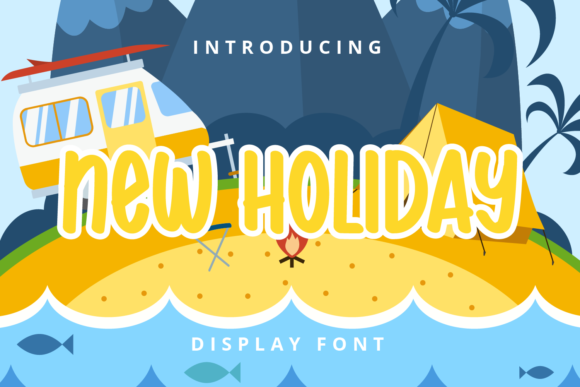
New Holiday is categorized as a display font, meaning it is designed primarily for large sizes rather than body text. Its defining characteristic is a blend of playfulness and authenticity. Unlike highly stylized or novelty fonts that may feel artificial or forced, New Holiday aims for a natural, hand-crafted feel. The letterforms often exhibit slight irregularities and organic curves that mimic human handwriting while maintaining enough structure to remain legible at a glance.
The font’s name suggests themes of celebration, leisure, and fresh starts. Visually, this translates into a cheerful and inviting tone. It avoids the rigid geometry of sans-serif fonts and the traditional formality of serif fonts, positioning itself in a middle ground that feels approachable and friendly. This makes it distinct from standard academic or corporate typefaces, offering a personality that can instantly communicate warmth and creativity.
Primary Use Cases and Applications
Given its playful yet authentic nature, New Holiday finds its strongest footing in environments where engagement and clarity are paramount. The following sections outline the scenarios where this font excels.
Children’s Activities and Education
One of the most prominent applications for New Holiday is in materials targeting children. Whether designing worksheets, classroom posters, or activity guides, educators need typography that is both readable and engaging. New Holiday strikes a balance here; it is whimsical enough to capture a child’s attention but structured enough to aid in early literacy development. For school projects, such as science fair boards or history presentations, the font adds a layer of visual interest without overwhelming the informational content.
Event Promotions and Invitations
The "holiday" aspect of the font’s identity makes it suitable for event-related graphics. Invitations for birthday parties, community gatherings, or seasonal celebrations benefit from the font’s celebratory vibe. When used for headlines or titles, New Holiday can set a festive mood immediately. However, due to its display nature, it should be paired with simpler, more neutral fonts for any secondary information, such as dates or locations, to ensure readability.
Creative Branding and Packaging
Brands aiming to convey a sense of fun, authenticity, or artisanal quality may find New Holiday useful for logo work or packaging labels. For example, a bakery specializing in homemade goods or a toy store might use this font to signal that their products are crafted with care and joy. The authenticity of the letterforms helps avoid the sterile look of digital templates, giving brands a more personal touch.
Benefits of Choosing New Holiday
There are several practical advantages to incorporating New Holiday into a design project:
- Immediate Emotional Connection: The font’s playful character allows it to communicate mood quickly, reducing the cognitive load required for viewers to interpret the tone of the message.
- Legibility at Large Sizes: As a display font, New Holiday is optimized for headlines. Its open counters and clear shapes ensure that text remains readable even when scaled up significantly.
- Versatility within Niche Markets: While not suitable for all industries, it offers a unique solution for sectors like education, entertainment, and lifestyle branding where generic fonts may fail to stand out.
- Authentic Aesthetic: In an era of highly polished, digital-looking designs, New Holiday’s hand-drawn qualities provide a refreshing contrast that feels genuine and trustworthy.
Tradeoffs and Considerations
No single typeface is a universal solution. Understanding the limitations of New Holiday is crucial for making an informed decision.
Readability Constraints
The most significant tradeoff is legibility in long-form text. Like most display fonts, New Holiday is not designed for paragraphs. Using it for body copy can lead to eye strain and reduced comprehension. Designers must pair it with a highly readable serif or sans-serif font for supporting text. Failure to do so can result in a cluttered and difficult-to-read layout.
Niche Appeal
The playful nature of New Holiday may clash with serious or formal contexts. For legal documents, financial reports, or medical information, the font’s casual tone could undermine the authority and seriousness of the content. It is essential to assess the context carefully; what works for a children’s party invitation may be inappropriate for a professional business proposal.
Licensing and Availability
As with any commercial typeface, users must verify licensing terms. Some display fonts come with restrictions on how they can be used, particularly in digital media or merchandise. Ensuring compliance with licensing agreements prevents legal issues and respects the designer’s intellectual property.
Alternatives to Consider
If New Holiday does not fully meet your needs, several alternatives exist depending on the specific goal:
- For More Formal Playfulness: Fonts like Quicksand or Nunito offer rounded, friendly aesthetics but with a cleaner, more modern geometric structure. These are better suited for tech startups or contemporary brands that want approachability without the hand-drawn feel.
- For Stronger Handwritten Qualities: If the goal is maximum authenticity, scripts like Dancing Script or Great Vibes provide a more pronounced handwritten style. However, these often sacrifice legibility further than New Holiday, requiring careful handling.
- For Maximum Readability: If the primary concern is clarity over personality, sticking to robust sans-serifs like Open Sans or Roboto ensures that the message is conveyed efficiently, though it may lack the unique character of New Holiday.
Practical Decision-Making Insights
To determine if New Holiday is the right choice, consider the following questions:
- What is the primary medium? Is the font being used for print headers, web banners, or social media graphics? Display fonts thrive in these high-visibility areas.
- Who is the target audience? Will the audience respond positively to a playful, informal tone? If the audience expects professionalism and neutrality, New Holiday may be too casual.
- How will it be paired? Do you have a complementary font ready for body text? Successful typography relies on contrast; New Holiday needs a stable partner to anchor the design.
- What is the brand voice? Does the font align with the overall personality of the brand or project? Consistency in tone is key to effective communication.
Conclusion
New Holiday is a specialized tool in the typographer’s kit. It excels in contexts that demand playfulness, authenticity, and immediate visual appeal, particularly in education and creative industries. While it is not a versatile workhorse for general-purpose text, its ability to convey emotion and personality makes it a valuable asset for specific design challenges. By understanding its strengths and respecting its limitations, designers can leverage New Holiday to create engaging, memorable, and effective visual communications. Ultimately, the decision to use New Holiday should be driven by the specific goals of the project and the needs of the audience.