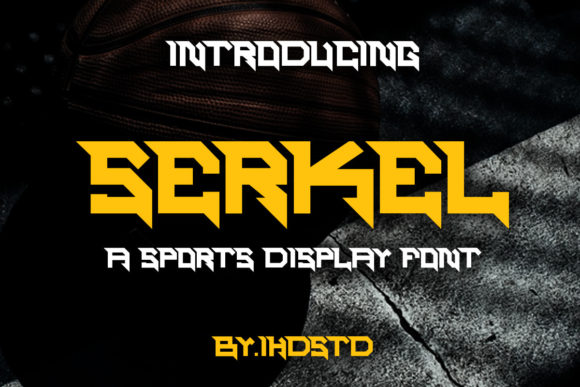
Serkel: Strategic Typography for Bold Visual Communication
In a digital landscape saturated with content, the difference between being seen and being ignored often comes down to visual hierarchy. For entrepreneurs, marketers, and creative professionals, typography is not merely an aesthetic choice; it is a functional tool for communication. Serkel emerges as a distinct asset in this arena—a cool, bold, and thick lettered display font designed to command attention. However, deploying such a heavy typeface requires more than just selecting it from a menu. It demands strategic intent.
This guide explores how Serkel can be integrated into design workflows to highlight critical information, reinforce brand identity, and drive user engagement. We will examine the practical applications of this display font, the psychological impact of its weight, and the decision-making framework needed to use it effectively without overwhelming your audience.
The Psychology of Weight and Attention
Visual weight is a fundamental concept in graphic design. Elements that appear heavier—through size, color saturation, or thickness—naturally draw the eye first. Serkel’s defining characteristic is its thickness. This "bold" quality is not subtle. When you introduce Serkel into a layout, you are making a deliberate statement about importance. Unlike lighter sans-serifs that facilitate easy reading of long-form text, Serkel functions as a signal flare.
For decision-makers planning a marketing campaign or a product launch, understanding this dynamic is crucial. If every headline uses a heavy display font, nothing stands out. The strategy lies in contrast. Serkel works best when juxtaposed against clean, minimal backgrounds or paired with lighter, highly legible body fonts. This creates a visual rhythm that guides the viewer’s eye through the most important information first. By using Serkel to highlight key value propositions, you reduce cognitive load for the user, allowing them to grasp the core message instantly.
Defining the Role of Display Fonts
A display font like Serkel is intended for large sizes and short bursts of text. It is not designed for paragraphs. Its primary role is to establish tone and mood before the reader even processes the semantic meaning of the words. In branding, this initial impression sets the stage for trust and authority. A cool, modern aesthetic combined with thick lettering suggests confidence, stability, and innovation. These are desirable traits for any business looking to position itself as a market leader.
- Authority: Thick lettering conveys strength and reliability.
- Modernity: The "cool" aspect of Serkel aligns with contemporary design trends.
- Urgency: Heavy fonts create a sense of immediacy, useful for calls to action.
Strategic Applications in Branding and Marketing
To achieve better results, you must align your typographic choices with your broader business goals. Serkel should not be used randomly. Instead, consider specific scenarios where its visual impact can drive measurable outcomes.
Product Launches and Campaign Headers
When launching a new service or product, the first touchpoint is often a landing page or a social media ad. Here, clarity is paramount. Using Serkel for the main headline ensures that the product name or the core benefit is impossible to miss. For example, if you are promoting a limited-time offer, the thickness of Serkel reinforces the scarcity and urgency of the deal. Pair this with a simple, unadorned button and a high-contrast background to maximize conversion rates.
Editorial and Blog Design
For bloggers and publishers, maintaining reader engagement is a constant challenge. While body text should remain neutral and readable, section headers provide opportunities to inject personality. Incorporating Serkel as a drop cap, a pull-quote accent, or a section divider can break up dense text and make the article more scannable. This approach respects the reader’s time while enhancing the visual appeal of the content. It signals that the material is curated and professionally presented.
Event Posters and Digital Invitations
In the realm of events, whether virtual or physical, the poster is the primary artifact of promotion. Serkel’s bold nature makes it ideal for dates, venue names, and speaker titles. Because these elements are factual and need to be retained by the viewer, the high legibility of a well-designed display font is advantageous. Ensure that the kerning (spacing between letters) is adjusted appropriately. Thick fonts can sometimes feel cramped if letters are too close together, so generous spacing often enhances the "cool" aesthetic.
Integration into Workflow and Operations
Adopting a new typeface involves more than just design; it impacts operational efficiency and consistency. For small business owners and freelancers, having a defined typographic system reduces decision fatigue. When you know that Serkel is reserved for headlines and highlights, you spend less time debating font choices for every new piece of content.
Create a style guide that explicitly defines the usage of Serkel. Specify:
- Minimum Size: Display fonts lose their character at small sizes. Set a rule that Serkel is only used above a certain pixel height or point size.
- Pairing Fonts: Identify one or two complementary sans-serif or serif fonts that work well with Serkel. These should be used for all body copy and secondary information.
- Color Constraints: Define which colors are approved for use with Serkel. High contrast is usually best, but ensure accessibility standards are met for users with visual impairments.
This structured approach ensures that Serkel remains a powerful tool rather than a chaotic element. It supports long-term brand recognition because the visual language remains consistent across all platforms, from email newsletters to printed brochures.
Risks and Common Pitfalls
Even the most versatile tools can be misused. The primary risk with Serkel is overuse. Because it is visually dominant, relying on it for too much text can lead to visual fatigue. Users may find the design aggressive or difficult to navigate. Additionally, thick fonts can suffer from rendering issues on low-resolution screens if not optimized correctly. Always test your designs on various devices to ensure the letterforms remain crisp and clear.
Another common mistake is ignoring context. Serkel has a specific vibe—cool, bold, modern. It may not be appropriate for brands aiming for a traditional, warm, or handcrafted feel. For instance, a boutique bakery or a heritage law firm might find Serkel too stark or impersonal. In such cases, a serif font or a script typeface would better communicate the desired brand values. Always ask: Does this font support the story I am trying to tell?
The Importance of Negative Space
One of the most effective ways to mitigate the heaviness of Serkel is through the generous use of negative space. White space acts as a buffer, giving the eyes a place to rest. When you highlight text with Serkel, surround it with ample padding. This isolation increases the perceived value of the highlighted text. It tells the viewer, "This is important enough to stand alone." In operations, this means designing layouts that prioritize breathing room over density. It is a hallmark of sophisticated design.
Long-Term Value and Adaptability
Investing in a strong typographic system yields compounding returns. As your business grows, your audience expands, and your content volume increases, having a reliable toolkit simplifies production. Serkel provides a consistent anchor for your visual identity. Whether you are updating your website, creating a pitch deck, or designing a logo, knowing that Serkel is available for emphasis adds a layer of professionalism to your output.
Furthermore, typography influences perception of credibility. Studies in consumer psychology suggest that well-designed materials are perceived as more trustworthy. By using Serkel intentionally—only where it adds value—you demonstrate attention to detail. This subtle cue can enhance customer experience and foster loyalty. It shows that you care about the presentation of your ideas, which reflects positively on the quality of your products or services.
Conclusion on Intentional Design
Serkel is more than just a font; it is a strategic instrument for highlighting what matters. Its cool, bold, and thick characteristics make it uniquely suited for capturing attention in a crowded marketplace. However, its power lies in restraint. Use it to guide decisions, emphasize key messages, and elevate your brand’s visual presence. Avoid using it as a default for all text. Instead, treat it as a spotlight, illuminating the paths you want your audience to follow.
By integrating Serkel into a thoughtful design strategy, you move beyond decoration into the realm of effective communication. You create experiences that are not only visually striking but also functionally superior. This approach aligns with the goals of modern professionals who seek clarity, impact, and lasting results. Let your imagination set the boundaries, but let strategy dictate the application.