Archigadget: A Strategic Approach to Bold Typography
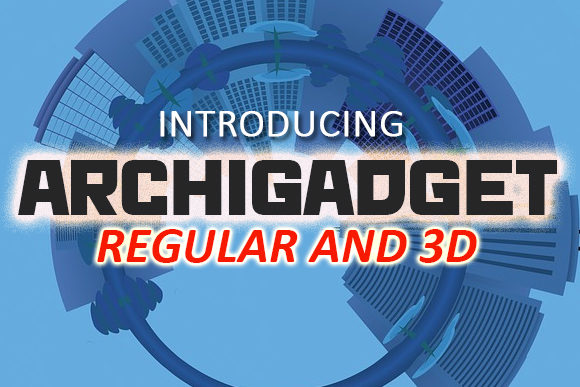
In the landscape of visual communication, typography is rarely just about readability; it is a primary vehicle for brand identity and emotional resonance. For professionals seeking to establish immediate authority and distinctiveness, Archigadget emerges as a potent tool. This bold and sharp-looking display font is designed not merely to be read, but to be experienced. It commands attention through its geometric precision and aggressive aesthetic, making it an ideal choice for projects that require a strong visual hook.
However, deploying a typeface with such character requires more than aesthetic appreciation. It demands strategic intent. Whether you are a small business owner rebranding your storefront, a marketer crafting a high-impact campaign, or a creator designing a portfolio, understanding how to leverage Archigadget can significantly influence the effectiveness of your message. The following analysis explores how to integrate this font into your workflow to achieve better results, enhance user experience, and support long-term branding goals.
The Strategic Value of Bold Display Fonts
Before diving into the specifics of Archigadget, it is essential to understand the role of display fonts in modern design. Unlike body text, which prioritizes legibility over extended periods, display fonts are intended for short bursts of engagement. They serve as visual anchors. In a digital environment where users scroll rapidly, a well-chosen display font can halt that motion, forcing the viewer to engage with the content.
Archigadget fits this category perfectly. Its sharp angles and substantial weight create a sense of stability and confidence. When used correctly, it signals that the brand behind it is established, serious, and forward-thinking. This psychological cue is valuable for entrepreneurs and decision-makers who need to project competence and innovation simultaneously. The font’s "endless possibilities" lie in its ability to adapt to various contexts, from digital headers to physical signage, provided the application is thoughtful.
Defining the Archigadget Aesthetic
To use any font effectively, one must first deconstruct its visual language. Archigadget is characterized by:
- Geometric Rigidity: The letters are constructed with clean lines and precise intersections, suggesting order and efficiency.
- High Contrast: The bold nature of the strokes creates significant contrast against white space, ensuring visibility even at smaller sizes or from a distance.
- Modern Edge: The sharpness of the terminals gives it a contemporary feel, aligning well with tech, fashion, and industrial sectors.
Understanding these traits allows designers and marketers to predict how the font will perform in different media. It is not a subtle background element; it is a foreground statement. This distinction is crucial for planning your visual hierarchy.
Integrating Archigadget into Branding and Marketing
For brands looking to differentiate themselves in crowded markets, typography is a key differentiator. Archigadget offers a unique opportunity to inject personality without relying on complex graphics or illustrations. Here is how various professional groups can strategically apply this font to improve their outcomes.
For Entrepreneurs and Small Business Owners
Small businesses often struggle with limited budgets for comprehensive branding packages. In such cases, choosing a versatile, impactful font like Archigadget can provide a high return on investment. Use it for your logo lockup, primary headlines, and call-to-action buttons. The font’s strength lies in its ability to make simple messages feel premium. For instance, a local café might use Archigadget for a chalkboard menu or a window decal to convey a modern, artisanal vibe. The sharpness of the font suggests craftsmanship and attention to detail, qualities that resonate with customers seeking quality experiences.
Consider the operational side as well. By establishing a clear typographic standard early on, you reduce decision fatigue. Every time you need a new poster, social media graphic, or email header, the font provides a consistent visual rule. This consistency builds trust and recognition over time, which is fundamental to long-term customer loyalty.
For Marketers and Content Creators
In the realm of digital marketing, click-through rates and engagement metrics are paramount. Archigadget can be instrumental in improving these metrics by enhancing the visual appeal of landing pages and advertisements. However, restraint is key. Overusing a bold display font can lead to visual clutter and user fatigue. Instead, use Archigadget sparingly to highlight critical information.
For example, in an email newsletter, use Archigadget for the subject line preview or the main headline within the body. This draws the eye immediately to the core value proposition. Similarly, for bloggers and publishers, using Archigadget for section headers can break up large blocks of text, making the content more scannable. This improves the user experience (UX) by allowing readers to quickly grasp the structure of the article, thereby increasing the likelihood that they will consume the entire piece.
For Educators and Professionals
While educators may not typically deal with commercial branding, the principles of clear communication remain relevant. Presentations, lecture slides, and educational materials benefit from strong typographic hierarchy. Archigadget can be used for slide titles or key concepts to emphasize importance. Its bold presence helps ensure that the audience focuses on the right information. For freelancers and consultants, using Archigadget in proposals or portfolios can signal professionalism and clarity of thought. It suggests that the presenter has organized their ideas with precision.
Planning Your Typography Strategy
Adopting Archigadget is not just about selecting a file from a library; it is about integrating it into a broader design system. To achieve the best results, consider the following planning steps.
- Define the Context: Where will this font live? Is it for a website header, a print banner, or a mobile app icon? Each medium has different constraints regarding size, resolution, and readability. Archigadget performs best in larger sizes where its details can be appreciated.
- Pairing Selection: No font exists in isolation. Pairing Archigadget with a neutral, highly readable sans-serif or serif font for body text is essential. The contrast between the bold display font and the simple body text creates a balanced composition. Avoid pairing it with other decorative fonts, as this will create visual noise and confuse the reader.
- Color and Background: The sharpness of Archigadget means it can become harsh if not handled carefully. Ensure sufficient contrast between the text color and the background. Light gray text on a white background may lose the font’s impact, while black text on a dark background might blend in too much. Experiment with colors that complement the font’s modern edge, such as monochromatic schemes or bold accent colors.
- Kerning and Tracking: Due to the geometric nature of Archigadget, letter spacing plays a crucial role. Tight kerning can cause the sharp angles to clash, creating a jagged appearance. Looser tracking can give the text a more airy, sophisticated feel. Test different spacing options to find the balance that suits your specific message.
Risks and Considerations
Even the most powerful tools can be misused. Relying on Archigadget without a clear strategy can lead to several pitfalls. The most common risk is overuse. Because the font is so visually dominant, using it for paragraphs or lengthy text will exhaust the reader’s eyes and hinder comprehension. Always reserve Archigadget for headlines, titles, and short phrases.
Another consideration is audience appropriateness. While Archigadget conveys strength and modernity, it may not suit industries that rely on warmth, tradition, or softness, such as childcare, wellness, or heritage crafts. In these contexts, the font’s sharpness might be perceived as cold or aggressive. Before committing to Archigadget, evaluate whether its visual tone aligns with the emotional response you wish to evoke in your target audience.
Additionally, be mindful of accessibility. Very bold fonts can sometimes reduce legibility for individuals with visual impairments, especially if the letterforms are too condensed. Always test your designs with accessible color contrasts and consider providing alternative text or less dense font options for critical informational content.
Maximizing Long-Term Results
The true value of using Archigadget lies in its contribution to a cohesive brand identity. When used consistently and intentionally, it becomes a recognizable asset. Over time, viewers will associate the font’s bold, sharp aesthetic with your brand’s values of precision, innovation, and confidence. This association strengthens brand recall and differentiates you from competitors who may rely on generic or overly safe typographic choices.
Furthermore, investing time in learning how to use Archigadget effectively enhances your overall design skills. Understanding the nuances of display typography teaches you about balance, contrast, and visual hierarchy—skills that are transferable to any design project. As you explore its endless possibilities, you will develop a deeper intuition for how type influences perception and behavior.
In conclusion, Archigadget is more than just a font; it is a strategic instrument for communication. By approaching its use with thoughtfulness, planning, and respect for its visual power, you can elevate your designs and achieve better results. Whether you are launching a new venture, refreshing your online presence, or simply aiming to communicate more clearly, Archigadget offers a compelling solution for those ready to make a bold statement. Use it wisely, and let its sharpness define your success.