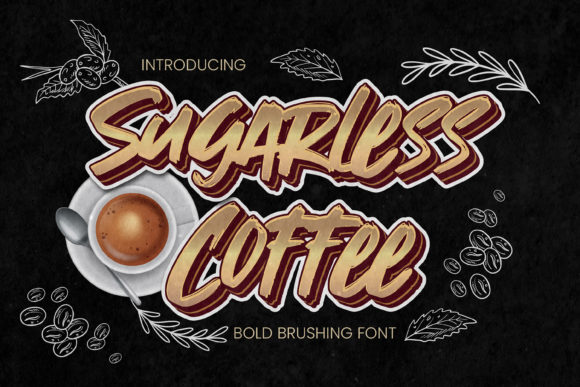
Sugarless Coffee: The Street Art Font That Brings Edge to Everyday Design
Let’s be honest: most of us don’t have the time or artistic skill to hand-letter every logo, t-shirt graphic, or social media post we need. Yet, there is a persistent desire to make our work look distinct—something that doesn’t feel like it was churned out by a generic template generator. This is where Sugarless Coffee steps in. It isn’t just another typeface; it is an awesome, cool-styled display font that captures the raw, unfiltered energy of street art.
If you are a creator, entrepreneur, or marketer looking to inject some grit and personality into your visual identity, understanding how to leverage this font can transform mundane designs into memorable statements. Sugarless Coffee bridges the gap between professional typography and underground culture, offering a solution for those who want their brand to feel authentic, bold, and slightly rebellious.
What Exactly Is Sugarless Coffee?
At its core, Sugarless Coffee is a display font designed with a strong street art vibe. Think graffiti tags, stencil prints, and urban murals, but refined enough to sit comfortably alongside modern design trends. The letters often feature irregular edges, dynamic slants, and a textured appearance that mimics spray paint or worn-out stickers. It is not a font meant for long paragraphs of body text; rather, it is a headline driver—a tool for grabbing attention instantly.
The name itself suggests a certain attitude: no sugar, no fluff, just the raw essence of the message. For designers, this means less time tweaking kerning and more time focusing on impact. The font carries an inherent narrative of urban creativity, making it instantly recognizable to anyone familiar with contemporary youth culture or independent brands.
Where and Why You Should Use It
Knowing what a font is only half the battle; knowing where to apply it is where the real value lies. Sugarless Coffee shines brightest when used in contexts that demand high visibility and emotional resonance. Here is how different users can put this tool to work in real-world scenarios.
Apparel and Sportswear Brands
If you are launching a clothing line, especially one focused on streetwear, skate culture, or athletic performance, Sugarless Coffee is practically tailor-made for your needs. T-shirts, hoodies, and caps require typography that pops from a distance. When printed on fabric, the font’s rough edges interact beautifully with textures, creating a tactile visual experience.
Scenario: Imagine a small fitness startup creating merchandise for a local marathon. Instead of using a clean, corporate sans-serif, they use Sugarless Coffee for the event name on the back of the shirt. The result? A garment that feels like part of the community, not just a uniform. It signals energy and endurance without saying a word.
Digital Advertisements and Social Media
In the crowded landscape of Instagram feeds and Facebook ads, static images get scrolled past in milliseconds. To stop the thumb, you need visual disruption. Sugarless Coffee provides that disruption. Its bold, erratic shapes cut through the noise of polished, minimalist aesthetics.
Marketers can use this font for promotional banners, limited-time offer graphics, or launch announcements. The "street" aesthetic implies urgency and exclusivity, which are powerful psychological triggers in advertising. However, keep the background simple. Let the font do the heavy lifting.
Event Posters and Local Advertising
For educators, bloggers, or local business owners promoting workshops, garage sales, or community gatherings, traditional flyers can look outdated. Using Sugarless Coffee on digital flyers or printed posters gives these events a cool, relevant edge. It tells the audience that the event is fun, informal, and worth their time.
Consider a university student organizing a hackathon or an art showcase. By using this font for the main title, they align their event with creative innovation rather than academic rigidity. It attracts a younger, more engaged demographic.
Logo Design for Creative Agencies
Freelancers and small agency owners often struggle to stand out in saturated markets. A logo built around Sugarless Coffee can serve as a strong foundation for a brand identity that values authenticity over polish. It works exceptionally well for coffee shops, record stores, tattoo parlors, or boutique gyms.
Practical Tip: When using this font for a logo, ensure you have the correct licensing for commercial use. Also, consider pairing it with a simpler secondary font for any supporting text (like contact info) to maintain readability.
Who Benefits Most From This Style?
The versatility of Sugarless Coffee means it serves a wide array of users, each extracting different benefits depending on their goals.
- Hobbyists and DIY Enthusiasts: If you make custom gifts, scrapbooks, or personal projects, this font adds a personalized, handmade touch without requiring actual calligraphy skills. It makes everyday items feel special.
- Small Business Owners: For cafes or retail shops wanting to update their signage or packaging, switching to a street-art-inspired font can signal a shift toward a more youthful, trendy customer base.
- Content Creators: YouTubers and podcasters often need thumbnail text that screams "click me." Sugarless Coffee offers the perfect balance of legibility and style for video overlays and channel branding.
- Educators: Teachers designing worksheets or classroom decorations for older students (middle school and up) can use this font to make learning materials feel less dry and more engaging.
Important Considerations Before You Download
While Sugarless Coffee is a powerful asset, it is not a one-size-fits-all solution. There are practical and legal aspects you must weigh before incorporating it into your workflow.
Licensing and Commercial Rights
This is the most critical step. Many display fonts available online come with varying license types. Some are free for personal use only, meaning you cannot use them on products you sell. Others require a paid commercial license. Always check the specific terms provided by the font creator or distributor. Using a font commercially without proper permission can lead to legal headaches down the road.
Readability and Pairing
Because Sugarless Coffee is a display font with significant stylistic flair, it can become difficult to read if used excessively. Avoid using it for long blocks of text. Instead, reserve it for headlines, titles, and key phrases. To create a balanced design, pair it with a neutral, highly readable font for body copy. A clean sans-serif or a classic serif can provide the necessary contrast, allowing the eye to rest after hitting the bold headline.
Context Matters
Not every brand fits the street art aesthetic. If you are designing for a law firm, a healthcare provider, or a luxury jewelry brand, Sugarless Coffee might send the wrong message. It conveys informality, rebellion, and energy. Ensure your industry and target audience align with these values. Misapplication can confuse customers and dilute your brand trust.
Resolution and Printing
If you plan to print large formats like banners or vehicle wraps, ensure you are working with a high-resolution version of the font. Low-quality vector files can result in jagged edges that ruin the professional finish of your print job. Test print a small section first to see how the ink interacts with the paper or material.
Making It Work for Your Brand
Ultimately, Sugarless Coffee is about attitude. It is a tool for breaking away from the safe, predictable norms of corporate design. Whether you are designing a t-shirt for your own band, creating a flyer for a local charity run, or building a brand identity for a new startup, this font offers a shortcut to looking cool and confident.
The key is intentionality. Don’t use it just because it looks edgy; use it because it matches the voice of your project. When the font aligns with the message, the design works. When it clashes, the result feels forced. Take the time to experiment, test different layouts, and see how Sugarless Coffee elevates your specific creative vision. In a world full of noise, sometimes all you need is the right font to be heard.