Hareback: The Street Art Font for Bold Branding
In the fast-paced world of visual communication, standing out isn't just an advantage—it's a necessity. Whether you are designing a logo for a new streetwear label, creating eye-catching social media ads, or putting together a presentation that needs to grab attention immediately, typography plays a pivotal role. This is where Hareback comes into play. It’s not just another typeface; it is a design tool with a distinct personality, blending the raw energy of street art with the structural integrity needed for professional projects.
If you have been searching for a font that bridges the gap between urban grit and commercial viability, Hareback offers a compelling solution. Designed with a cool, street-art vibe, it brings an immediate sense of attitude and modernity to any project. But beyond its aesthetic appeal, understanding how to leverage this font effectively can elevate your designs from good to great. Let’s dive into what makes Hareback unique and how you can apply it across various creative and business contexts.
Understanding the Hareback Aesthetic
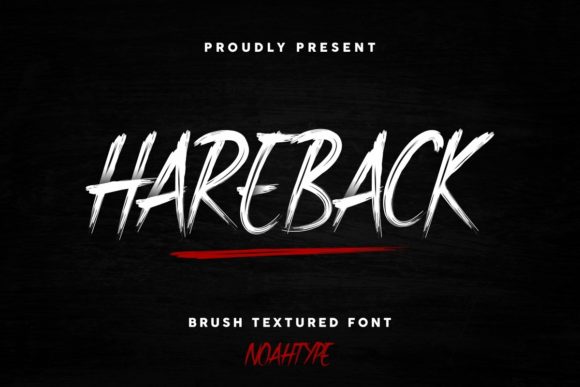
To appreciate Hareback, you first need to understand its roots. The font draws heavy inspiration from graffiti culture, stencil art, and urban signage. However, unlike some display fonts that sacrifice readability for style, Hareback maintains a level of clarity that makes it versatile. Its characters often feature rough edges, uneven baselines, and dynamic spacing that mimic the hand-painted look of city walls.
This aesthetic choice serves a specific purpose: it evokes emotion. When a viewer sees Hareback, they don’t just read text; they feel a sense of movement, rebellion, and creativity. This emotional connection is crucial for brands looking to position themselves as youthful, edgy, or innovative. The font’s strength lies in its ability to communicate "authenticity" without saying a word. It suggests that the brand behind it is unpretentious, bold, and in tune with current cultural trends.
Key characteristics include:
- Urban Texture: The letters often carry a distressed or weathered look, adding depth and character.
- Dynamic Weight: Variations in stroke width create a rhythmic flow that guides the eye across the design.
- Versatile Legibility: Despite its artistic flair, the core structure of the letters remains recognizable, ensuring messages are understood quickly.
Practical Applications Across Industries
One of the most significant advantages of Hareback is its adaptability. While it screams "street," it doesn’t have to be limited to niche markets. Here is how different professionals can integrate Hareback into their workflows.
Fashion and Sportswear Design
For designers in the apparel industry, Hareback is a natural fit. T-shirts, hoodies, and caps are canvases for self-expression, and typography is one of the strongest tools available. Using Hareback for graphic tees or sportswear branding instantly communicates a lifestyle rather than just a product. Imagine a logo for a skateboarding brand or a fitness apparel line that emphasizes agility and power—the jagged, energetic lines of Hareback reinforce those values visually.
When applying this font to clothing, consider contrast. Pairing Hareback with clean, minimalist backgrounds allows the font to take center stage. Conversely, layering it over busy photographic textures can create a collage effect that feels very contemporary. The key is to use it for headlines and short phrases rather than long body text, preserving its impact.
Branding and Logo Creation
Entrepreneurs and marketers often struggle to find logos that feel both memorable and professional. Hareback offers a way to break away from the sea of corporate sans-serifs. For startups in tech, gaming, or entertainment, a logo set in Hareback can signal disruption and innovation. It tells the audience that this company is different, perhaps a bit risky, but definitely exciting.
However, there is a balance to strike. Because Hareback is so expressive, it works best when paired with a neutral secondary font for smaller details like taglines or contact information. This combination ensures that while the brand name grabs attention, the supporting information remains legible and trustworthy.
Digital Marketing and Social Media
In the digital space, attention spans are shorter than ever. Advertisements on Instagram, Facebook, or TikTok need to stop the scroll. Hareback’s bold presence makes it ideal for ad creatives, story overlays, and thumbnail graphics. It adds a layer of visual interest that standard fonts often lack. For bloggers and content creators, using Hareback for featured post titles or quote graphics can help establish a unique visual identity that followers recognize instantly.
Consider a campaign promoting a local music festival or an art exhibition. Hareback captures the essence of these events perfectly. It feels organic and community-driven, which resonates well with audiences who value authenticity over polished perfection.
Educational and Creative Projects
It might seem counterintuitive to use a street-style font in educational settings, but context is everything. For educators teaching art, design, or urban studies, Hareback can be a powerful teaching aid. It demonstrates how typography can convey tone and mood. Similarly, hobbyists working on zines, posters, or DIY crafts will find Hareback accessible and fun to use. It lowers the barrier to entry for creating professional-looking materials without needing advanced design software skills.
Benefits of Choosing Hareback
Why invest time in learning and using Hareback? Beyond the obvious aesthetic benefits, there are practical reasons why this font stands out.
- Enhanced Engagement: Unique typography increases memorability. Users are more likely to remember a message presented in a distinctive font like Hareback compared to generic alternatives.
- Brand Differentiation: In saturated markets, visual uniqueness is a competitive advantage. Hareback helps brands carve out a specific niche in the consumer’s mind.
- Cultural Relevance: By tapping into street art aesthetics, brands can appear more culturally aware and relevant to younger demographics.
- Efficiency in Design: Because the font carries such strong visual weight, designers often need fewer decorative elements to make a statement. This can streamline the design process and reduce clutter.
Best Practices for Implementation
To get the most out of Hareback, it is essential to use it correctly. Misapplication can lead to designs that look messy rather than stylish. Here are some recommendations for effective usage.
Limit Your Usage: As mentioned earlier, Hareback is a display font. Avoid using it for paragraphs of text. Reserve it for titles, headings, logos, and short slogans. For body copy, stick to clean, readable fonts like Helvetica, Roboto, or Open Sans.
Play with Scale: The power of Hareback often lies in its size. Large, bold applications tend to work better than small, subtle ones. If you must use it at a smaller scale, ensure there is ample white space around the text to prevent it from becoming illegible.
Color Matters: The font’s texture interacts differently with various colors. High-contrast combinations, such as black text on white or neon yellow on black, can enhance its street-art vibe. However, muted tones can also work if you want a more subdued, vintage feel. Experiment with color palettes to see what aligns with your brand’s mood.
Pairing Strategy: Always pair Hareback with a complementary font. Since Hareback is complex and busy, your secondary font should be simple and structured. This creates a visual hierarchy that guides the reader’s eye and ensures the overall design remains balanced.
Final Thoughts
Hareback is more than just a font; it is a statement. It represents a shift towards more expressive, human-centered design in a digital world that often feels sterile. For professionals, creators, and businesses looking to inject personality and energy into their visual communications, Hareback provides a reliable and impactful tool.
Whether you are launching a new brand, redesigning your website, or simply trying to make your next social media post pop, consider giving Hareback a try. Its blend of street art charm and professional usability makes it a valuable addition to any designer’s toolkit. By using it thoughtfully and strategically, you can create designs that not only look cool but also resonate deeply with your audience. In the end, good design is about connection, and Hareback connects through its undeniable, authentic voice.