MultiType Rows Wide Bold: A Practical Review of a Distinctive Pixel Font
In the landscape of digital typography, pixel fonts occupy a unique niche. They are not merely relics of early computing; they are deliberate aesthetic choices that evoke nostalgia while offering distinct advantages in modern web and graphic design. Among the vast array of available typefaces, MultiType Rows Wide Bold stands out as a particularly interesting specimen. It is not just another retro font but a tool with specific geometric properties and encoding features that make it suitable for targeted design applications. This evaluation examines the font’s characteristics, usability, and practical value for professionals who require precise control over visual hierarchy and stylistic impact.
Understanding the Typography: Structure and Style
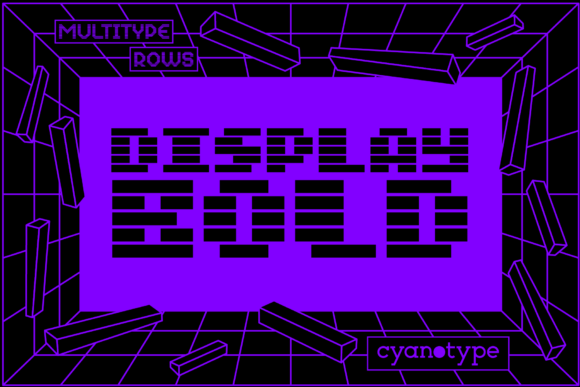
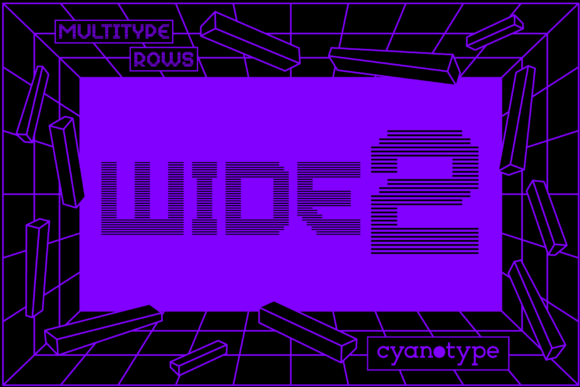
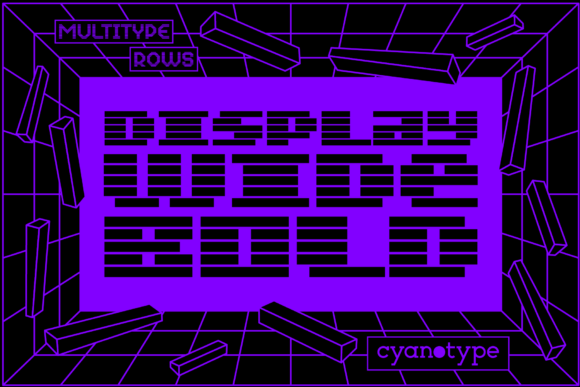
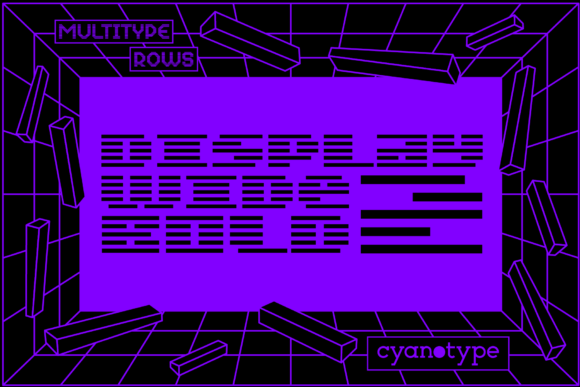
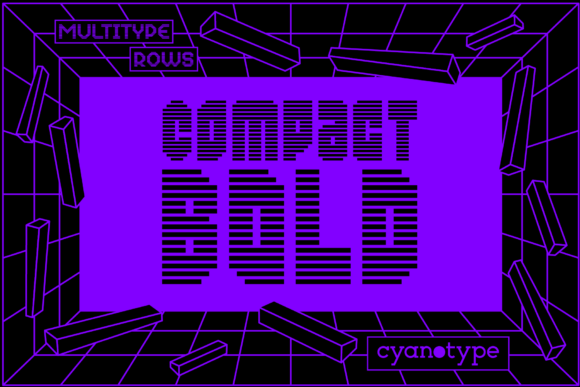
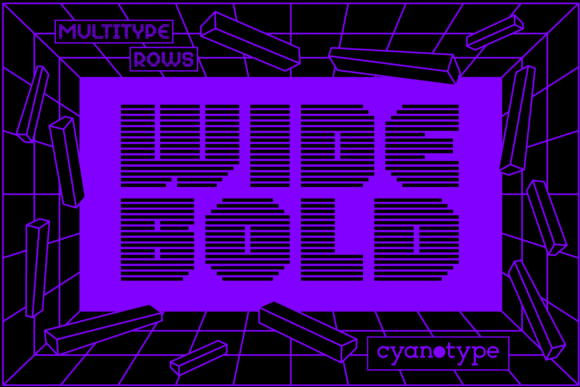
MultiType Rows Wide Bold is defined by its wide aspect ratio and bold weight, combined with a strictly pixelated grid structure. Unlike standard display fonts that rely on smooth curves or subtle serifs, this typeface embraces the blocky, angular nature of bitmap graphics. The "Rows" designation in its name refers to the horizontal alignment of its pixel columns, creating a stacked, layered appearance that enhances readability at larger sizes. This structural integrity ensures that the letters maintain their form even when scaled or manipulated, a critical factor for designers working across various media.
The font’s aesthetic is inherently bold. It commands attention without requiring excessive size or contrast against background elements. This makes it particularly effective for headlines, banners, and interface elements where immediate visual recognition is paramount. However, the boldness also implies limitations. Because the letterforms are dense and heavy, they can become visually overwhelming if used for body text or extended paragraphs. The optimal use case lies in short bursts of text where impact outweighs the need for prolonged reading comfort.
Technical Specifications and Accessibility
A significant advantage of MultiType Rows Wide Bold is its technical implementation. The font is PUA (Private Use Area) encoded. For those unfamiliar with this terminology, the PUA is a section of the Unicode standard reserved for private use, allowing designers to include glyphs that do not have official Unicode assignments. In practice, this means that all swashes, alternate characters, and special symbols are accessible directly within the font file itself, rather than relying on external plugins or complex substitution scripts.
This encoding method offers several practical benefits:
- Ease of Access: Designers can access all glyphs through standard character maps or keyboard shortcuts, streamlining the workflow.
- Consistency: Since all variants are contained within a single font file, there is no risk of missing glyphs or inconsistent rendering across different platforms.
- Flexibility: Users can easily swap between standard characters and decorative swashes to add a trendy, distorted touch to designs without changing font families.
For freelancers and small business owners, this simplicity reduces technical friction. There is no need to manage multiple font files or troubleshoot compatibility issues, which is often a hurdle with more experimental or custom-encoded typefaces.
Design Applications and Visual Impact
The primary strength of MultiType Rows Wide Bold lies in its ability to inject personality into static layouts. Its unusual shape and pixelated texture allow it to serve as a focal point in designs that aim for a retro-futuristic, gaming-inspired, or tech-noir aesthetic. It pairs well with minimalist backgrounds, allowing the complexity of the letterforms to take center stage. Consider a landing page for a video game, a music album cover, or a promotional banner for an event targeting a younger demographic. In these contexts, the font’s bold, distorted presence reinforces the theme effectively.
However, the font’s effectiveness depends heavily on context. It is not a versatile workhorse like Arial or Helvetica. Attempting to use it for navigation menus, footers, or instructional content would likely result in poor user experience due to reduced legibility. The wide spacing and bold weight create visual noise that can fatigue the eye during sustained reading. Therefore, professional judgment is required to determine when the stylistic benefit justifies the potential cost to readability.
Evaluating Quality and Reliability
From a quality perspective, MultiType Rows Wide Bold demonstrates a high level of craftsmanship. The pixel alignment is precise, avoiding the jagged or misaligned edges that can plague poorly designed bitmap fonts. Each character is constructed with intention, ensuring that even the most intricate swashes retain clarity. This attention to detail contributes to the font’s overall reliability. When embedded in websites or exported for print, the font renders consistently, maintaining its intended sharpness and boldness.
The consistency of the font family is another positive attribute. Whether using lowercase, uppercase, or numbers, the visual weight and style remain uniform. This coherence is essential for brand identity projects, where mixed typographic styles can dilute the message. For educators and bloggers who may lack extensive design training, this consistency simplifies the process of creating polished, professional-looking materials. The font does not require advanced kerning adjustments or ligature management, making it accessible to users with varying levels of expertise.
Limitations and Considerations
No typeface is without drawbacks, and MultiType Rows Wide Bold is no exception. Its narrow range of application is the most significant limitation. While it excels in display roles, it lacks the subtlety needed for nuanced communication. Additionally, the PUA encoding, while convenient, may pose challenges for accessibility tools. Screen readers and other assistive technologies sometimes struggle with Private Use Area characters, potentially affecting the inclusivity of digital content. Designers must be mindful of this when creating content for audiences with diverse needs.
Furthermore, the trendiness of the pixel aesthetic can date quickly. Fonts that rely heavily on specific stylistic movements may feel outdated as design trends evolve. While the retro look has seen a resurgence, it is important to consider whether the target audience will perceive the font as timeless or temporary. For long-term branding projects, it may be prudent to pair MultiType Rows Wide Bold with a more neutral sans-serif font to balance the visual tone and ensure longevity.
Who Should Use MultiType Rows Wide Bold?
This font is best suited for professionals and creators who prioritize visual impact and thematic consistency. Marketers designing campaign assets for gaming, entertainment, or technology sectors will find it particularly useful. Freelance graphic designers looking for a distinctive display font to add variety to their portfolio may also appreciate its unique character set. Educators creating engaging presentations or educational materials for younger students might use it to highlight key terms or titles, leveraging its boldness to capture attention.
Conversely, corporate communicators, legal publishers, and academic writers should approach this font with caution. Its informal and stylized nature may undermine the authority and seriousness required in those fields. The decision to use MultiType Rows Wide Bold should always be driven by the project’s goals, audience expectations, and the desired emotional response.
Final Thoughts on Usability
Ultimately, MultiType Rows Wide Bold is a specialized tool that delivers on its promise of bold, pixelated expression. Its PUA encoding enhances usability, allowing for easy access to a rich set of glyphs. While it is not a universal solution, it fills a specific gap in the market for designers seeking to incorporate retro-digital aesthetics into contemporary projects. By understanding its strengths and limitations, users can leverage this font to create compelling, memorable designs that resonate with their intended audience. For those willing to experiment with unconventional typography, it offers a reliable and stylish option that adds depth and character to visual communication.