MultiType Rows Wide 2: A Practical Evaluation of a Distinctive Pixel Font
In the landscape of digital typography, pixel fonts often occupy a niche that balances nostalgia with modern graphic design trends. Among the various options available, MultiType Rows Wide 2 stands out as a unique entry that offers specific advantages for designers seeking a retro aesthetic without sacrificing readability or versatility. This article provides an objective analysis of the font’s characteristics, technical specifications, and practical applications to help professionals determine its suitability for their projects.
Understanding the Visual Identity of MultiType Rows Wide 2
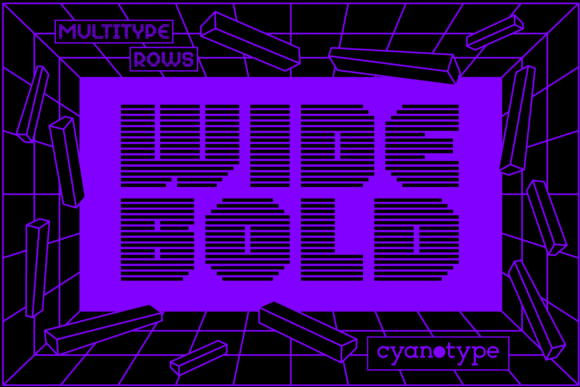
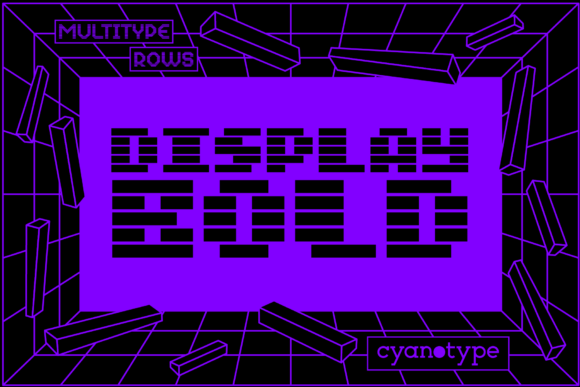
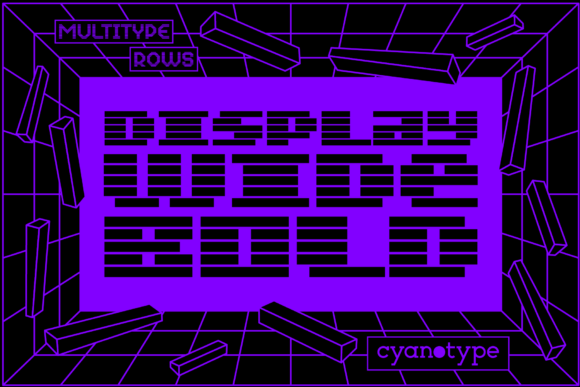
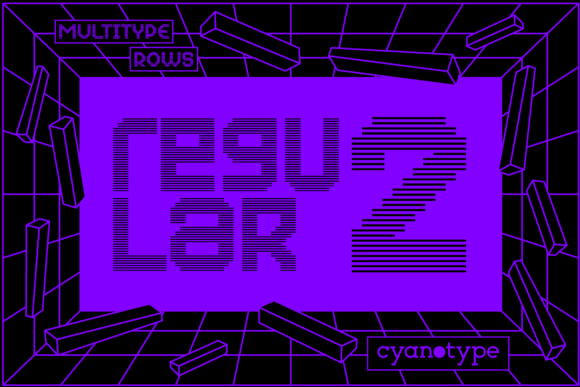
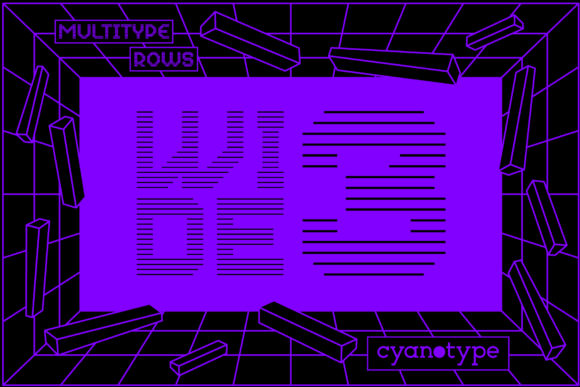
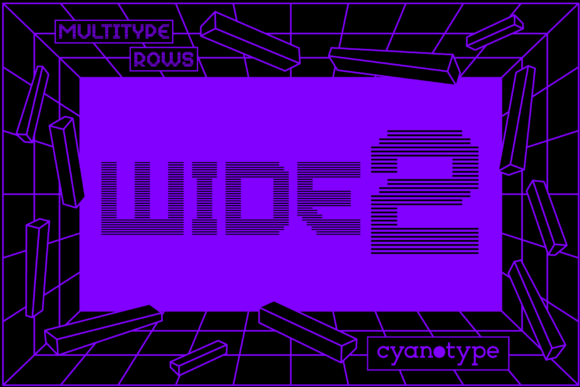
At its core, MultiType Rows Wide 2 is a pixelated display font characterized by its wide proportions and distinct row-based construction. Unlike standard monospaced pixel fonts that prioritize uniform character width, this typeface embraces a wider aspect ratio, giving it a bold, impactful presence on the screen. The "rows" in its name refer to the structural grid upon which the glyphs are built, creating a clean, horizontal emphasis that can be particularly effective in headers, titles, and short text blocks.
The font’s aesthetic is intentionally distorted and trendy, leaning into the glitch art and vaporwave movements that have gained significant traction in contemporary web and print design. This distortion is not random; it is calculated to evoke the feeling of early digital displays while maintaining a level of sophistication that appeals to adult audiences. The result is a typeface that feels both familiar to those who grew up with CRT monitors and fresh enough for modern branding initiatives.
Key Characteristics and Design Strengths
- Wide Proportions: The expanded width allows the font to command attention. It works exceptionally well for headlines where space permits, creating a strong visual hierarchy.
- Pixelated Precision: Each glyph is constructed with deliberate pixel placement, ensuring sharp edges and clear definition even at smaller sizes. This precision is crucial for maintaining legibility in digital environments.
- Retro-Futuristic Appeal: The combination of wide rows and pixelation creates a vibe that is both nostalgic and forward-looking, fitting seamlessly into tech, gaming, and creative industry contexts.
Technical Specifications and Usability
One of the most significant technical advantages of MultiType Rows Wide 2 is its encoding method. The font is PUA (Private Use Area) encoded. For designers unfamiliar with this terminology, the PUA is a reserved section of the Unicode standard that allows font creators to include additional characters, symbols, and decorative elements without conflicting with standard ASCII codes. This encoding choice has profound implications for usability and flexibility.
Accessing Glyphs and Swashes
Because the font utilizes the Private Use Area, users can access all included glyphs and swashes with ease, provided they know how to input them. While this may require a slightly steeper learning curve compared to standard fonts, it offers unparalleled customization. Designers can incorporate unique ornaments, alternate characters, and stylistic swashes that are not available in typical system fonts. This feature is particularly valuable for creating custom logos, album covers, or promotional materials where standard typography falls short.
To utilize these features effectively, users may need to employ font management software or specialized input methods. However, the effort required is often justified by the expanded creative palette. The ability to mix standard characters with decorative swashes allows for a high degree of typographic expression, enabling designers to create bespoke looks without resorting to external graphic elements.
Performance in Real-World Applications
When evaluating any typeface, it is essential to consider how it performs across different mediums and contexts. MultiType Rows Wide 2 excels in display applications but requires careful consideration when used for body text. Its wide, pixelated nature makes it less suitable for long-form reading, where standard serif or sans-serif fonts are preferred for comfort and readability.
Ideal Use Cases
- Web Headers and Banners: The font’s bold presence makes it ideal for hero sections on websites, especially for portfolios, creative agencies, or tech startups looking to establish a distinctive brand identity.
- Social Media Graphics: On platforms like Instagram or Pinterest, where images are viewed at small scales, the high contrast and clear pixel structure of the font ensure that text remains legible and eye-catching.
- Gaming and Esports Branding: The retro-digital aesthetic aligns perfectly with gaming communities, making it a natural choice for tournament overlays, stream graphics, and game-related merchandise.
- Event Posters and Flyers: For music festivals, tech conferences, or art exhibitions, the font adds a layer of visual interest that draws viewers in and communicates a sense of energy and innovation.
Potential Limitations
Despite its strengths, MultiType Rows Wide 2 is not a universal solution. Its limited character set, due to PUA encoding, means that users cannot rely on it for comprehensive text layout. Additionally, the wide proportions may not fit well in narrow columns or constrained spaces, requiring designers to adjust their layouts accordingly. It is also important to note that while the font is visually striking, it may not convey the same level of professionalism or trustworthiness as more traditional typefaces, making it less suitable for corporate reports, legal documents, or educational materials where clarity and neutrality are paramount.
Who Should Consider MultiType Rows Wide 2?
The target audience for this font is specific. It is best suited for professionals and hobbyists who work in creative fields such as graphic design, web development, marketing, and content creation. Entrepreneurs and small business owners in the tech, gaming, or entertainment sectors will find particular value in its ability to communicate a modern, edgy brand personality.
Educators and bloggers focusing on technology or digital culture may also appreciate the font for adding visual flair to their posts and presentations. However, for those in more conservative industries, such as finance or healthcare, the font’s unconventional style may not align with their brand guidelines.
Integration into Existing Workflows
Integrating MultiType Rows Wide 2 into existing design workflows is generally straightforward. Most major design software packages, including Adobe Creative Cloud, Affinity Suite, and Canva, support custom font installation. Once installed, the font can be accessed alongside other typefaces, allowing for mixed-font compositions that leverage the best of both worlds. Users should ensure that their clients or collaborators have access to the font if sharing project files, or embed the font in exported PDFs to preserve formatting.
Long-Term Value and Consistency
From a long-term perspective, MultiType Rows Wide 2 offers good value for designers looking to expand their typographic toolkit. While trends in pixel art and retro design fluctuate, the fundamental appeal of digital nostalgia remains strong. The font’s unique shape and encoding provide a level of differentiation that can help brands stand out in crowded markets.
Consistency is maintained through the font’s strict adherence to its pixel grid. This ensures that regardless of size or context, the character forms remain recognizable and cohesive. However, designers should be mindful of scaling issues, as extreme enlargement or reduction can sometimes lead to jagged edges or loss of detail. Testing the font at various sizes before finalizing designs is a recommended practice to ensure optimal presentation.
Conclusion
MultiType Rows Wide 2 is a specialized tool that brings a distinct visual voice to digital design. Its wide, pixelated form and PUA-encoded flexibility make it a powerful asset for creators seeking to inject retro-futuristic charm into their work. While it is not a substitute for standard body text fonts, its effectiveness in display roles is undeniable. For professionals in creative industries, understanding its strengths and limitations allows for strategic application that enhances rather than detracts from the overall message. When used thoughtfully, this font can elevate projects, adding a layer of personality and visual interest that resonates with modern audiences.