MultiType Rows Display Bold: A Practical Review of a Distinctive Pixel Font
In the landscape of digital typography, finding a typeface that balances nostalgic aesthetics with modern usability is an ongoing challenge. Many pixel fonts struggle to remain legible at larger sizes or feel dated in contemporary design contexts. MultiType Rows Display Bold emerges as a notable exception, offering a unique visual identity that bridges the gap between retro gaming culture and current graphic design trends. This article provides an objective evaluation of the font’s characteristics, technical specifications, and practical applications for professionals and creators.
Understanding the Visual Identity
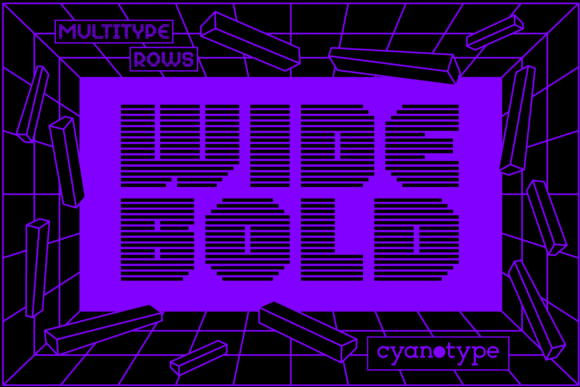
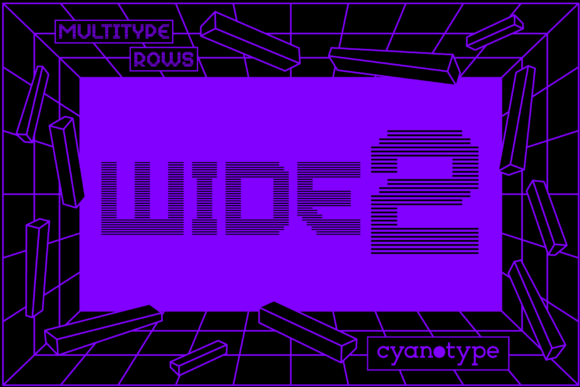
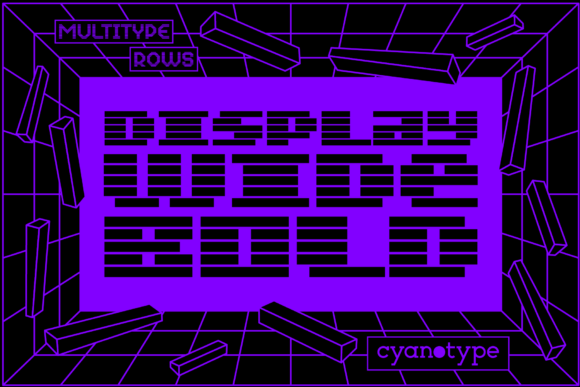
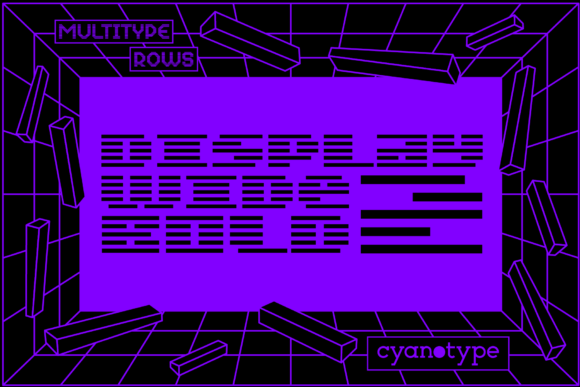
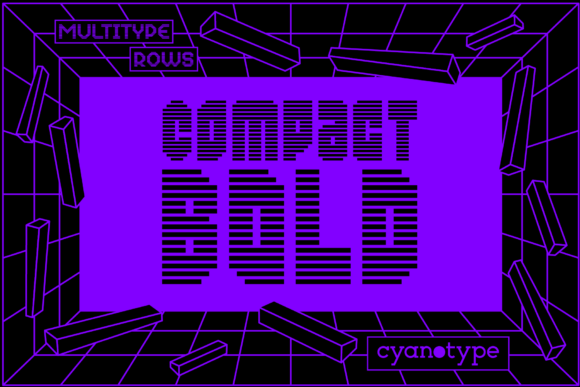
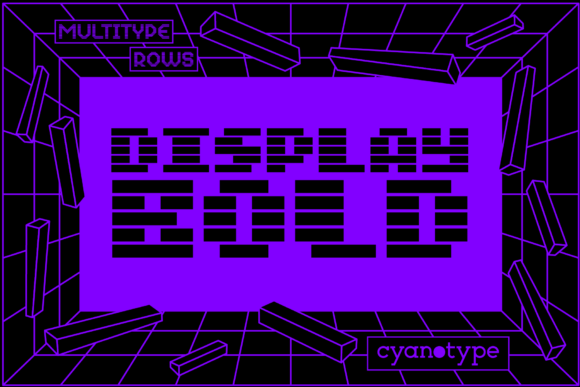
MultiType Rows Display Bold is not merely a standard blocky pixel font; it is a uniquely shaped display typeface designed to make a statement. The font’s name suggests its structural approach: characters are constructed using horizontal rows of pixels, creating a distinct, staggered appearance that differs from traditional square-grid pixelation. This "distorted" aesthetic adds a trendy, edgy touch to designs without relying on complex graphical elements.
The bold weight of the font ensures high visibility, making it suitable for headlines, posters, and branding materials where immediate impact is required. Unlike thinner pixel fonts that can become difficult to read on low-resolution screens or when scaled down, MultiType Rows Display Bold maintains its integrity and presence. The unusual shaping prevents it from blending into the background of generic template designs, allowing designers to inject personality into their work quickly.
Technical Specifications and Accessibility
One of the most significant advantages of this typeface is its encoding method. MultiType Rows Display Bold is PUA (Private Use Area) encoded. For those unfamiliar with typographic technicalities, the PUA is a reserved section within the Unicode standard that allows users to assign custom glyphs to specific code points without conflicting with existing characters.
- Access to Swashes: Standard fonts often limit decorative variations to what the designer includes in the main character set. With PUA encoding, MultiType Rows Display Bold provides access to all its glyphs and swashes directly. This means designers can easily incorporate ornamental variants, alternate letters, and stylistic flourishes without needing additional software or manual substitution tools.
- Ease of Use: While PUA fonts require a slight adjustment in workflow—specifically regarding how characters are inputted—the payoff is a comprehensive library of design assets available at the user's fingertips. This accessibility reduces friction in the creative process, allowing for rapid prototyping and iteration.
It is important to note that PUA encoding requires the receiving device or software to support the specific code points assigned by the font creator. However, for web design and print production where the font file is embedded or exported, this limitation is largely mitigated. Designers should ensure that any final deliverables include the font file or convert text to outlines to guarantee consistent rendering across different platforms.
Performance in Real-World Applications
To evaluate the true value of a font, one must look beyond its appearance in isolation and consider its performance in actual projects. MultiType Rows Display Bold excels in scenarios where attention-grabbing visuals are paramount.
Branding and Logo Design
For startups, tech companies, or creative agencies aiming to project a modern, innovative, or slightly rebellious image, this font offers a strong foundation. Its bold nature and unique row-based structure provide a memorable mark that stands out in crowded marketplaces. It is particularly effective for logos in the gaming, entertainment, and digital media sectors.
Editorial and Web Headlines
While body text remains the domain of more traditional sans-serif or serif fonts, MultiType Rows Display Bold shines in headline positions. On websites, blogs, and digital magazines, it can be used to draw readers’ eyes to key sections, featured articles, or call-to-action buttons. The distorted, pixelated style adds a layer of visual interest that plain text lacks, potentially increasing engagement rates by breaking up visual monotony.
Print Media and Merchandise
The font’s vector-like clarity (when properly rasterized or outlined) makes it suitable for high-quality print applications. T-shirts, stickers, posters, and event banners benefit from the font’s high contrast and clear shapes. The bold weight ensures that even from a distance, the message remains readable, which is crucial for outdoor advertising or large-format prints.
Audience Fit and Professional Considerations
Not every project requires a display font with such a strong personality. MultiType Rows Display Bold is best suited for specific audiences and use cases:
- Freelance Graphic Designers: Those looking to add a unique signature style to their portfolios will find this font versatile. It allows for quick creation of eye-catching social media graphics and client presentations.
- Digital Marketers: In the fast-paced world of online advertising, standing out is essential. This font can help ad creatives capture attention in seconds, leveraging nostalgia and trendiness simultaneously.
- Gamers and Esports Enthusiasts: The pixelated aesthetic aligns naturally with gaming culture. Streamers, content creators, and game developers can use this font for overlays, thumbnails, and in-game text elements.
- Small Business Owners: Entrepreneurs in creative industries, such as cafes, record stores, or boutique shops, can use this font for signage and promotional materials to convey a cool, urban vibe.
However, professionals working in corporate, legal, or academic fields may find the font too informal or distracting. In these contexts, clarity and neutrality are prioritized over stylistic flair. Therefore, the decision to use MultiType Rows Display Bold should be driven by the brand voice and the target audience’s expectations.
Strengths and Limitations
Like any design tool, this font has distinct strengths and potential drawbacks that users should weigh before integration.
Strengths
- Distinctive Appearance: The row-based pixel structure sets it apart from common pixel fonts, reducing the risk of visual cliché.
- Bold Impact: The heavy weight ensures readability and presence, even at smaller sizes.
- Comprehensive Glyph Set: PUA encoding provides access to a wide range of swashes and alternates, enhancing creative flexibility.
- Trend-Relevant: The blend of retro pixel art with modern distortion appeals to current design trends.
Potential Limitations
- Readability in Body Text: As with most display fonts, it is unsuitable for long-form reading. Overuse can lead to visual fatigue.
- Compatibility Issues: PUA encoding can sometimes cause issues if the font is not properly embedded or if the recipient does not have the font installed. Always verify output quality.
- Niche Appeal: The stylized nature may not align with conservative or minimalist brand identities.
Conclusion
MultiType Rows Display Bold is a specialized tool that delivers on its promise of providing a cool, uniquely shaped, and pixelated display option for designers. Its PUA encoding enhances its utility by granting easy access to a rich variety of glyphs and swashes. While it is not a universal solution for all typographic needs, it fills a specific niche effectively.
For professionals seeking to add a distorted, trendy touch to their designs, this font offers a reliable and visually striking resource. By understanding its strengths and limitations, designers can integrate it strategically into their workflows, ensuring that their projects stand out while maintaining professional standards. Whether used for branding, web headlines, or merchandise, MultiType Rows Display Bold proves to be a valuable addition to the modern designer’s toolkit.