Cydekick Font Evaluation
In the competitive landscape of graphic design, typography serves as a primary vehicle for brand identity and visual communication. When selecting a typeface, designers must balance aesthetic appeal with functional readability, ensuring that the font aligns with the specific context of the project. Cydekick is a bold display font characterized by its street art vibe, offering a distinct visual language that appeals to creators working in urban, energetic, or youth-oriented markets. This evaluation explores the characteristics, applications, benefits, and limitations of Cydekick to help designers determine if it fits their current project requirements.
Understanding the Cydekick Typeface
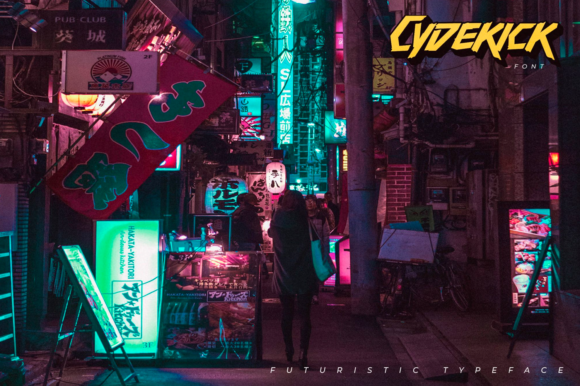
Cydekick is not a standard serif or sans-serif typeface intended for long-form body text. Instead, it falls into the category of display fonts, which are designed to be used at larger sizes where legibility is less critical than visual impact. The font’s defining feature is its association with street art culture. It mimics the raw, unpolished energy of graffiti, stencil work, and urban signage. The letterforms often exhibit irregular edges, varying stroke weights, and a sense of movement that suggests speed and rebellion.
The "street art vibe" is achieved through deliberate imperfections. Unlike geometric sans-serifs that prioritize uniformity, Cydekick embraces asymmetry and texture. This makes it an excellent choice for projects that need to convey authenticity, grit, or counter-culture aesthetics. However, these same features that give it character also limit its versatility in more formal or minimalist contexts.
Primary Use Cases and Applications
Due to its bold and expressive nature, Cydekick is best suited for high-impact visual mediums. Designers frequently utilize this font in the following areas:
- Apparel and Sportswear: The dynamic shape of the letters translates well to t-shirts, hoodies, and athletic gear. It resonates with audiences interested in skate culture, hip-hop fashion, and extreme sports.
- Logos and Branding: For brands targeting younger demographics or those operating in the entertainment, music, or nightlife industries, Cydekick can establish an immediate connection with the target audience. It signals energy and modernity.
- Advertisements and Posters: In print and digital advertising, large-scale typography is crucial for capturing attention. Cydekick’s bold presence ensures that headlines stand out in crowded visual environments.
- Social Media Graphics: Short-form content on platforms like Instagram or TikTok often relies on bold text overlays. Cydekick provides a quick way to add visual flair to quotes, announcements, or promotional posts.
Benefits of Choosing Cydekick
Selecting Cydekick offers several practical advantages for specific design goals. First, it provides instant genre recognition. When viewers see a typeface with a street art influence, they immediately categorize the message within a certain cultural context. This reduces the cognitive load required to understand the tone of the design.
Second, the font’s bold weight ensures high visibility. Even when scaled down slightly, the thick strokes maintain their integrity, making it effective for small screens or distant viewing conditions. Third, it allows designers to communicate personality without relying heavily on imagery. A single word set in Cydekick can carry enough emotional weight to serve as the central element of a composition.
Additionally, Cydekick is versatile within its niche. While it has a strong identity, it can be paired with clean, minimal backgrounds to create contrast. This juxtaposition between the chaotic energy of the font and the order of the layout can produce sophisticated and engaging designs.
Tradeoffs and Considerations
While Cydekick is powerful, it comes with significant tradeoffs that designers must consider before implementation. The most notable limitation is its lack of subtlety. Because the font is so expressive, it can easily overwhelm other elements in a design. If used excessively, it may reduce the overall readability of the piece and fatigue the viewer’s eyes.
Furthermore, the street art aesthetic may not be appropriate for all industries. Brands in sectors such as finance, healthcare, legal services, or corporate consulting typically require typefaces that convey trust, stability, and professionalism. Using Cydekick in these contexts could undermine credibility and appear unprofessional or overly casual.
Another consideration is kerning and spacing. Display fonts with irregular shapes often require manual adjustment of letter spacing to achieve optimal visual balance. Automated typesetting tools may not handle the unique contours of Cydekick correctly, leading to awkward gaps or collisions between characters. Designers should expect to spend additional time refining the typographic details manually.
When to Consider Alternatives
There are scenarios where Cydekick may not be the optimal choice. If a project requires a neutral tone or needs to appeal to a broad, international audience, a more universal typeface would be preferable. For instance, if the goal is to create a clean, modern interface for a mobile app, a geometric sans-serif or humanist sans-serif would offer better readability and scalability across different devices.
Similarly, if the design direction leans towards elegance, luxury, or heritage, Cydekick’s gritty aesthetic would clash with the desired brand image. In such cases, serif fonts or refined script typefaces might be more appropriate. Designers should also consider the availability of multiple weights. If a project requires a hierarchy of information (e.g., headings, subheadings, body text), a font family with a comprehensive range of weights is essential. Cydekick, being a specialized display font, may not offer the same level of typographic flexibility as a multi-weight system.
Practical Decision-Making Insights
To determine if Cydekick aligns with your project goals, ask yourself the following questions:
- What is the core emotion I want to evoke? If the answer involves excitement, rebellion, or urban coolness, Cydekick is a strong candidate.
- Who is my target audience? Does the demographic resonate with street culture and contemporary art? If yes, the font will likely enhance engagement.
- How much text needs to be displayed? If only short phrases or titles are involved, Cydekick works well. For longer passages, it is not suitable.
- Does the rest of the design support the font? Ensure that colors, imagery, and layout do not compete with the boldness of the typeface. Simplicity in other elements allows Cydekick to shine.
In conclusion, Cydekick is a specialized tool in the designer’s arsenal. It excels in creating bold, memorable visuals for specific cultural contexts but lacks the versatility required for general-purpose typography. By carefully evaluating the project’s needs, audience, and aesthetic goals, designers can decide whether Cydekick is the right fit or if another typeface would better serve their objectives.