Urekan Font Evaluation
In the landscape of digital typography, certain typefaces transcend their functional role to become cultural signifiers. Urekan is one such font. It is a display typeface characterized by its sharp angles, irregular geometry, and an aesthetic that oscillates between industrial decay and supernatural unease. For designers, hobbyists, and marketers looking to evoke specific emotional responses, understanding the nuances of Urekan is essential before integrating it into a project.
This evaluation explores the visual identity of Urekan, its ideal applications, and the practical considerations necessary for effective usage. Whether you are designing a Halloween decoration or a horror-themed graphic novel, this guide provides the objective analysis needed to determine if Urekan aligns with your creative goals.
Visual Identity and Aesthetic Profile
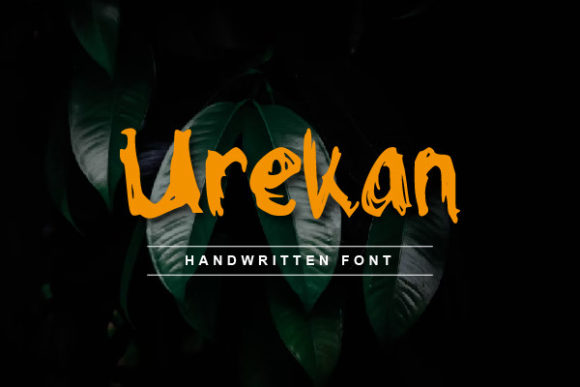
Urekan is not designed for body text or long-form reading. Its primary strength lies in its ability to command attention through visual disruption. The font features jagged edges, uneven baseline alignment, and a texture that suggests weathering or damage. This creates an immediate impression of instability and tension.
The "cool" aspect of Urekan stems from its modern, edgy interpretation of distressed typography. It avoids the cliché of overly ornate Victorian horror fonts, opting instead for a look that feels contemporary yet unsettling. The "creepy" element arises from the subtle irregularities in letterforms that mimic organic decay or mechanical failure. When viewed at a distance, these details create a sense of unease that draws the viewer in.
Key Visual Characteristics:
- Sharp Geometry: Angled cuts and pointed serifs contribute to an aggressive tone.
- Textural Distress: Simulated wear and tear add depth and realism.
- Irregular Alignment: Letters may appear slightly tilted or misaligned, enhancing the chaotic feel.
Ideal Use Cases for Urekan
Because Urekan is a high-impact display font, its utility is concentrated in contexts where brevity and atmosphere are prioritized over readability. Below are the primary scenarios where this typeface proves most effective.
Halloween Crafts and Decorations
Seasonal design often relies on instant recognition of genre tropes. Urekan fits seamlessly into Halloween aesthetics without appearing dated. It is particularly effective for:
- Party Invitations: The font’s eerie quality sets the tone immediately.
- Decorative Signs: Large-scale prints using Urekan can transform ordinary spaces into haunted environments.
- Costume Labels: Short phrases or names printed on tags benefit from the font’s dramatic flair.
Horror Movie Posters and Promotional Materials
In the film industry, typography is a critical component of marketing. Urekan offers a versatile base for poster titles. Its distressed nature allows it to blend well with gritty, realistic horror themes, as well as supernatural or psychological thrillers. Designers often pair Urekan with muted color palettes and shadow-heavy imagery to maximize its impact.
Apparel and Merchandise
The fashion industry frequently adopts subcultural aesthetics for streetwear and alternative clothing lines. Urekan is a strong candidate for t-shirt graphics, hoodies, and accessories targeting audiences interested in goth, punk, or horror genres. The font’s bold weight ensures visibility even when printed on textured fabrics.
Benefits and Tradeoffs
Selecting a font involves balancing artistic intent with practical constraints. Urekan offers distinct advantages but also presents limitations that designers must manage.
Benefits
- Immediate Atmosphere: Urekan communicates mood instantly, reducing the need for excessive graphical elements to convey theme.
- Versatility Within Niche: While niche-specific, it works across various media, including print, web banners, and social media graphics.
- Memorability: The unique shape of the letters makes headlines and logos more distinctive compared to standard sans-serif options.
Tradeoffs and Challenges
- Limited Legibility: Due to its stylized nature, Urekan is difficult to read at small sizes or in dense paragraphs. Using it for anything other than headlines is generally discouraged.
- Overuse Risk: Because it is popular in horror circles, there is a risk of the font feeling cliché if not paired with original design concepts.
- Technical Rendering Issues: On low-resolution screens, the fine details of the distress effect may blur, potentially losing the intended aesthetic.
Considerations for Implementation
To ensure Urekan performs effectively, several technical and design factors must be considered.
Kerning and Spacing
Display fonts often require manual adjustment of spacing. The irregular shapes of Urekan’s characters can lead to awkward gaps or collisions if left on auto-tracking. Careful kerning is essential to maintain the intended chaotic balance without creating visual noise that distracts from the message.
Color Contrast
The effectiveness of Urekan is heavily dependent on contrast. Light gray text on a white background will render the font nearly invisible. High-contrast combinations, such as black text on white, or neon colors on dark backgrounds, enhance legibility while preserving the eerie vibe. Consider using drop shadows or outlines to separate the text from complex backgrounds.
Pairing with Other Fonts
If additional text is required, avoid pairing Urekan with other decorative fonts. Instead, use clean, neutral sans-serif or serif fonts for body copy. This contrast highlights the uniqueness of Urekan while ensuring that supporting information remains readable.
When to Consider Alternatives
While Urekan is a powerful tool, it is not suitable for every project. Evaluate the following situations to determine if an alternative might be more appropriate.
- Corporate Branding: If the goal is to convey trust, stability, or professionalism, Urekan’s erratic nature is counterproductive. Fonts like Helvetica or Garamond are better suited for these contexts.
- Educational Materials: Clarity is paramount in learning environments. The distortion in Urekan can hinder comprehension for students or readers with dyslexia.
- Subtle Elegance: For projects requiring sophistication or minimalism, Urekan is too aggressive. A thin, geometric sans-serif would provide the desired understated elegance.
Decision-Making Insights
Ultimately, the choice to use Urekan depends on the specific emotional response you wish to elicit. Ask yourself the following questions during the planning phase:
- What is the primary emotion? If the answer is fear, excitement, or unease, Urekan is a strong candidate.
- Who is the audience? Is the target demographic familiar with horror or alternative culture? If so, they will likely appreciate the stylistic cues.
- Where will it be displayed? Ensure the resolution and size of the output medium can support the font’s intricate details.
By carefully weighing these factors, designers can leverage Urekan’s unique characteristics to create compelling, atmospheric visuals. It is a specialized tool that, when used correctly, adds significant value to horror-themed and edgy design projects. However, restraint is key; let the font speak loudly where it matters, and keep the rest of the design simple to allow its personality to shine.