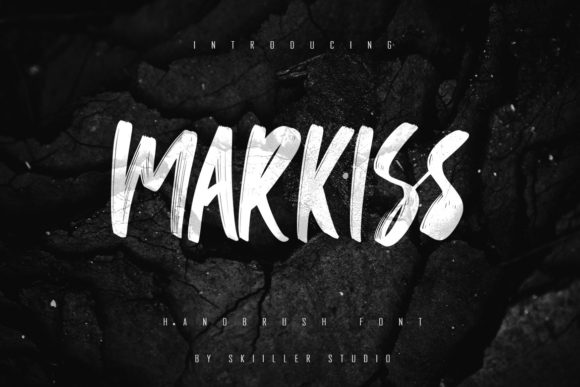
Markiss: Strategic Typography for Street-Inspired Brand Identity
In the landscape of visual communication, typography is rarely just about readability; it is a primary vehicle for tone, attitude, and brand positioning. For designers, marketers, and business owners seeking to project an image that is bold, urban, and unapologetically contemporary, Markiss offers a distinct strategic advantage. This cool, paint-brushed display font carries an inherent street art vibe, making it a powerful tool for brands that want to stand out in crowded digital and physical markets. However, deploying such a specific typeface requires more than aesthetic appreciation; it demands a clear understanding of context, audience psychology, and long-term brand consistency.
The decision to incorporate Markiss into your design toolkit should be driven by the need to communicate energy, authenticity, and modernity. Whether you are launching a sportswear line, designing merchandise, or crafting a logo for a creative agency, the choice of font acts as the first handshake with your customer. It sets expectations before they read a single word of copy. When used intentionally, Markiss does not merely decorate text; it amplifies the message, injecting a sense of raw creativity and urban sophistication that resonates deeply with audiences aged 20 to 50 who value individuality and cultural relevance.
Understanding the Strategic Value of Display Fonts
Before diving into the specific applications of Markiss, it is essential to understand why display fonts matter in strategic branding. Unlike body text fonts, which prioritize legibility and neutrality, display fonts are designed to capture attention. They serve as visual anchors that define the personality of a piece of content. In an era where attention spans are shrinking and competition for eyeballs is fierce, the ability to convey complex emotions through typography is a critical skill for professionals and entrepreneurs alike.
Markiss fits into this category by offering a unique blend of structure and chaos. The paint-brushed aesthetic suggests human touch, imperfection, and artistic effort—qualities that are highly valued in today’s market where consumers increasingly seek authenticity over polished perfection. By choosing Markiss, you are signaling that your brand is approachable yet edgy, professional yet creative. This duality is particularly effective for small business owners and freelancers who need to establish trust while also demonstrating their unique flair.
Why Markiss Stands Out
What makes Markiss particularly useful for modern design projects is its versatility within the "street art" genre. Many brush fonts can feel overly chaotic or difficult to read, but Markiss maintains a balance that allows it to function effectively in various contexts. Its cool demeanor ensures that it does not come across as juvenile or overly aggressive, making it suitable for a wider range of industries than one might initially assume. From high-end streetwear labels to local community events, the font’s adaptability allows it to bridge the gap between niche subcultures and mainstream appeal.
For educators and bloggers, using Markiss in headers or featured graphics can break the monotony of standard web layouts, drawing readers into the content with a visually stimulating entry point. For marketers, it provides a quick way to inject personality into advertisements without relying solely on imagery. The font itself becomes part of the narrative, suggesting a story of movement, expression, and dynamic energy.
Practical Applications Across Industries
To maximize the return on investment for your design efforts, it is crucial to apply Markiss in contexts where its strengths align with your business goals. Below are several strategic use cases where this font can significantly enhance your output.
- Sportswear and Apparel Design: The athletic world thrives on energy and performance. Markiss’s dynamic strokes mirror the motion associated with sports, making it an ideal choice for t-shirt graphics, jersey designs, and promotional posters. When paired with strong imagery, the font reinforces the idea of action and vitality.
- Logos and Brand Identities: For startups and established businesses looking to refresh their image, Markiss can serve as a distinctive logotype element. Its unique character set ensures memorability, which is a cornerstone of effective branding. However, care must be taken to ensure the logo remains scalable and recognizable across different media formats.
- Advertisements and Social Media Campaigns: In the fast-paced environment of social media, static images must grab attention instantly. Markiss works exceptionally well for headlines and call-to-action buttons in digital ads. Its visual weight cuts through the noise of scrolling feeds, encouraging users to pause and engage.
- Event Posters and Flyers: For concerts, festivals, or community gatherings, the right font can set the mood. Markiss brings a vibrant, inclusive energy that appeals to a broad demographic. It suggests that the event is lively, creative, and worth attending.
Decision-Making Framework: When and How to Use Markiss
Using any distinctive font like Markiss requires a disciplined approach to avoid common pitfalls. A lack of strategic planning can lead to designs that feel cluttered, unprofessional, or misaligned with brand values. To ensure that your use of Markiss contributes positively to your objectives, consider the following guidelines.
Define Your Communication Goals
Before opening your design software, ask yourself what you want the typography to achieve. Are you trying to evoke excitement? Convey rebellion? Or simply add a touch of artistic flair? If your goal is to communicate precision, technical expertise, or corporate stability, Markiss may not be the best choice. Conversely, if you aim to highlight creativity, youthfulness, or cultural awareness, it becomes a valuable asset. Clarity of purpose prevents the misuse of decorative elements and ensures that every design decision supports your broader strategy.
Balance is Key
One of the most common mistakes when working with display fonts is overusing them. Because Markiss is visually dominant, it should typically be reserved for headlines, titles, and short phrases rather than body text. Pairing it with a clean, neutral sans-serif or serif font for supporting text creates a harmonious contrast. This combination allows the eye to rest after processing the bold statement of the headline, improving overall readability and user experience. For example, a blog post might use Markiss for the main title and section headers, while maintaining a simple font for the article body.
Consider Your Audience
Your target audience plays a pivotal role in determining whether Markiss will resonate. Adults aged 20–50 generally appreciate modern aesthetics, but their preferences vary based on industry and personal taste. Tech-savvy millennials and Gen Z users may respond positively to the street art vibe, viewing it as authentic and trendy. However, older demographics or conservative industries might perceive the same style as too casual or unrefined. Conducting audience research or testing design variations can help you gauge reception and adjust accordingly.
Risks and Mitigation Strategies
No design tool is without its risks, and Markiss is no exception. Understanding these potential downsides allows you to mitigate them proactively.
Lack of Legibility: While Markiss is readable at larger sizes, its brush-stroke details can become muddy or hard to decipher at very small sizes or low resolutions. Always test your designs in black and white and at reduced scales to ensure clarity. If legibility is compromised, the message fails, regardless of how stylish the font looks.
Brand Inconsistency: Using Markiss sporadically across different platforms can dilute your brand identity. If your website uses it but your email newsletters do not, the disconnect can confuse customers. Establish clear brand guidelines that specify when and how Markiss should be used. Consistency builds recognition and trust over time.
Trend Dependency: Street art aesthetics can sometimes feel tied to specific trends. While Markiss has a timeless coolness, it is important to evaluate whether the style aligns with your long-term vision. If your brand plans to pivot towards a more formal or minimalist direction in the future, relying heavily on Markiss now might create complications later. Plan for scalability and evolution in your typographic choices.
Intentional Creativity for Long-Term Results
The ultimate goal of using Markiss—or any design element—is to support your business objectives, not just to make things look good. Intentional creativity involves aligning aesthetic choices with functional outcomes. When you use Markiss to highlight a new product launch, you are leveraging its energy to drive sales. When you use it in educational materials, you are engaging learners with visual interest. Each application should have a clear rationale.
For professionals and decision-makers, this means moving beyond gut feelings and embracing data-driven design decisions. Analyze engagement metrics, gather feedback, and iterate based on real-world performance. Did the advertisement featuring Markiss perform better than the one with a traditional font? Use those insights to refine your strategy. Over time, this iterative process helps you build a robust library of effective design practices tailored to your unique needs.
In conclusion, Markiss is more than just a font; it is a strategic tool for communicating attitude and authenticity. By understanding its strengths, respecting its limitations, and applying it with clear intent, you can enhance your brand’s impact and achieve better results. Whether you are a freelancer designing a portfolio, a marketer creating a campaign, or an entrepreneur building a startup, incorporating Markiss thoughtfully can add a layer of depth and distinction to your work. Embrace the street art vibe, but always keep your goals front and center. The result will be designs that not only look cool but also work harder for your brand.